


































by Tom Arkell,The Conversation
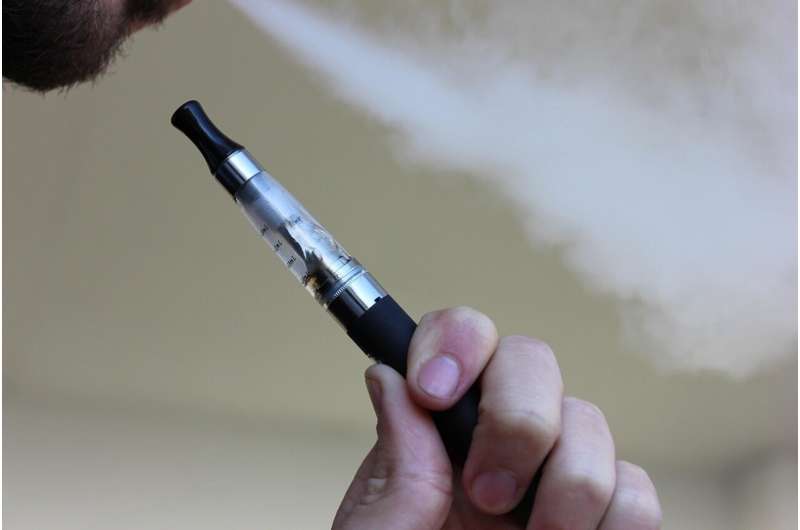
Credit: Pixabay/CC0 Public Domain
Your doctor has just prescribed medicinal cannabis. You think it's helping. But you rely on your car to get to work and pick up the kids.
Are you allowed to drive? And more importantly, is it safe?
Here's what the evidence says and what it means for you.
Medicinal cannabis is nowwidely prescribedin Australia for conditions such aschronic pain, anxiety and sleep disorders.
You can take it in a variety of different ways—for instance, by inhaling it using a vaporizer, or by ingesting an oil. There are manydifferent active compounds. However, the main ones—known as cannabinoids—are delta-9-tetrahydrocannabinol (THC) and cannabidiol (CBD).
THC is also the intoxicating part of cannabis that gets you "stoned." So this is where things get complicated.
What happens when you take medicinal cannabis?
When cannabis is inhaled, theeffectspeak in the first hour. They taper off over two to three hours, but can last for up tofour to six hours.
When taken orally—for example as an oil—the effectsdon't start straight away and can last for up to 8 to 12 hours. That's because the cannabinoids are absorbed by your gut and metabolized more slowly.
THC negatively impacts cognitive functions, such asattention and memory. It impairs driving in asimulatorand in the real worldon a highway.
The effects ofTHCon driving are roughly comparable tolow blood alcohol concentrations. But this depends on thedose and how often someone uses cannabis.
Medicinal cannabis used for insomnia does not causeimpairment the next day, and regular cannabis users show no driving impairmentafter 48 hours or moreof abstinence.
Unlike alcohol, THC can make peoplemore cautious behind the wheel. So drivers sometimes try to drivemore carefully or leave a larger gap behind the car ahead.
However, such strategies may not be enough to offset the impairing effects of THC, and theybecome less effectiveunder more complex driving conditions.
CBDdoes not impair cognition or driving.
Most cannabis and driving studies have used healthy volunteers and deliberately intoxicating doses of THC. So we don't know whether people are as impaired when using prescribed medicinal cannabis to manage a chronic health condition.
In theory, a patient is likely to be less impaired if they use a low dose of THC, if they use the exact same amount of medicinal cannabison a regular basis, or if medicinal cannabis relieves symptoms that can affect normal functioning,such as chronic pain.
Can I legally drive after taking it?
In every Australian state and territory, except Tasmania, it is illegal to drive with any detectable amount of THC in your system.
Roadside drug testing, which checks for the presence of THC in saliva rather than impairment, cannot distinguish between prescribed medicinal cannabis and illicit cannabis.
In Tasmania, youcan lawfully drive with THC in your systemso long as you are unimpaired and your medicinal cannabis was prescribed and dispensed in Tasmania.
Othermedications that can impair driving—such as opioids and benzodiazepines—do not carry the same prohibition on driving. You can drive with these medications in your system so long as you are unimpaired and using your medication as prescribed.
Driving while impaired (as opposed to driving with the presence of a drug in your system) is a separate offense and applies to both medicinal cannabis and other medications.
The discrepancy between how medicinal cannabis and other impairing medications are treated has been the focus of aparliamentary inquiryin New South Wales and broaderlaw reform discussions.
Victoria has nowamended its road safety actto give magistrates the power to decide whether or not to cancel someone's license if they test positive for THC, are unimpaired, and have a valid medicinal cannabis prescription. Nonetheless, it remains illegal to drive in Victoria with THC in your system.
You can lawfully drive if you are using a CBD-only medication, so long as you arenot impaired.
How can I drive safely?
If you have been prescribed medicinal cannabis, there are practical steps you can take to reduce your risk when driving.
First, speak to your doctor. Let them know you drive, especially if you rely on driving for work or caring responsibilities, or if you work in a safety-sensitive environment, such as construction. Together, you can discuss whether a product containing THC is appropriate, or whether a CBD-only product might be more suitable.
Second, don't just rely on how you feel when determining whether you are safe to drive. Even if you feel completely normal, your driving ability may still be compromised.
Even if you are unimpaired, you can still test positive on aroadside drug testfor hours after taking medicinal cannabis. The length of time ishighly variableand depends on factors such as the dose, route of administration, and how often you take medicinal cannabis.
The penalties for driving with THC in your system vary by state and territory. They range fromfinestolicense disqualificationsandpotential jail timefor repeat offenses.
A blood test can detect THCdays aftertaking it. So if you are involved in a crash and have THC in your blood, you could face severe legal penalties, and your car insurance may be voided.
Roadside drug tests do not check for CBD.
What don't we yet know?
Studies are underway to look athow medicinal cannabis impacts drivingin people who take it for long-term health conditions, such as chronic pain. Researchers are also testing to seeif sensors can detect cannabis impairmentin real time while driving.
Once these and other studies are complete, we'll have a clearer picture of how medicinal cannabis affects drivers who take it for long-term medical conditions.
To find out more about medicinal cannabis and driving, visit theTherapeutic Goods Administration's medicinal cannabis hubor ask your health-care practitioner.
This article is republished fromThe Conversationunder a Creative Commons license. Read theoriginal article.
Key medical concepts Medical Marijuana Dronabinol Cannabidiol Chronic Pain Sleep Disorders








Post comments