




































byUniversity of Texas MD Anderson Cancer Center
Credit: Pixabay/CC0 Public Domain
Researchers at The University of Texas MD Anderson Cancer Center have found that a mitochondrial enzyme, GFER, creates an immunosuppressive environment within pancreatic tumors, leading to treatment resistance.
The study, published inCancer Research, demonstrated that inhibiting GFER in combination with immune checkpoint blockade results in a strong antitumor response in preclinical models, highlighting a potential therapeutic strategy for patients with pancreatic cancer. The research was led by Ziheng Chen, Ph.D., in the laboratory of corresponding author Giulio Draetta, M.D., Ph.D., professor of Genomic Medicine and chief scientific officer at MD Anderson.
"These findings highlight a crucial and promising target for pancreatic cancer, which is notoriously difficult to treat," Draetta said. "Understanding the basic science of how pancreatic tumors become immunosuppressive lays the foundation for the development of effective therapeutic strategies that can help patients in need of better treatment options."
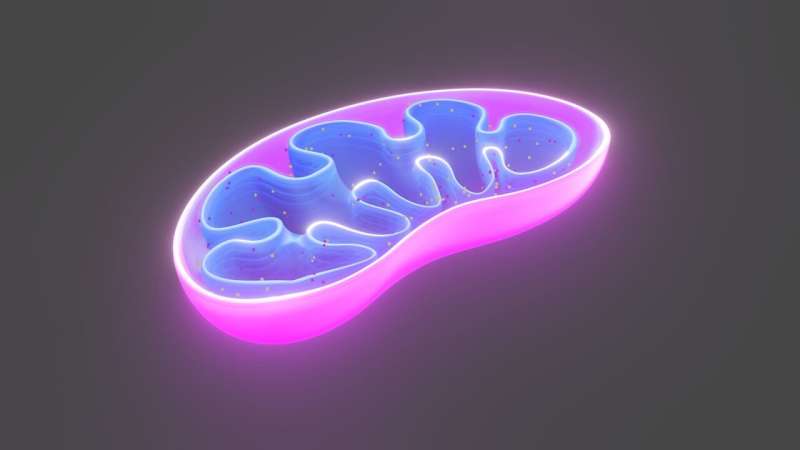
Pancreatic cancer is highly aggressive and has a unique immunosuppressive tumor microenvironment that makes it resistant to different treatments. One suspected cause ismitochondrial activity, which can create an immunosuppressive environment by altering tumor metabolism. This, in turn, impairs immune cell function, triggers inflammation, and leads to treatment resistance. Therefore, the researchers in this study decided to screen for and study possible targets within the mitochondria.
GFER is an important mitochondrial protein responsible for processes such as oxidative phosphorylation, which fuels normal energetic processes. However, its role in tumor growth is unknown.
Throughgenomic screening, the researchers identified GFER and three other genes related to mitochondrial metabolism that are essential for pancreatic tumor growth. Specifically, theydisrupted oxidative phosphorylationby inhibiting GFER, which interfered with the cell cycle, blocked fuel sources and caused stress that prevented tumor cell growth in preclinical models. Suppressing GFER also stimulated the immune system, making cancer cells more sensitive to immune checkpoint blockade and significantly improving the antitumor response.
These findings show that GFER is a key component in changing the immunosuppressive environment in pancreatic cancer. Therefore, targeting GFER in patients with pancreatic cancer could sensitize them to treatment with immune checkpoint blockade, highlighting its potential to improve outcomes. Clinical trials are still needed to confirm that this two-pronged approach will work in humans.
More information Ziheng Chen et al, GFER Represents a Target for Dual Disruption of Redox Homeostasis and Reactivation of the Immune Response in Pancreatic Adenocarcinoma, Cancer Research (2025). DOI: 10.1158/0008-5472.can-24-4211 , aacrjournals.org/cancerres/art … r-Dual-Disruption-of Journal information: Cancer Research









Post comments