



































by Arushan Arulnamby, Samir Kumar Sinha,The Conversation
Credit: Unsplash/CC0 Public Domain
NBA star Tyrese Haliburton was recentlydiagnosed with shingles. The news drew attention to an illness that many people rarely talk about but is far more common than many realize.
In Canada,130,000 peopledevelop shingles each year. The infection can cause a painful rash and, for some, long-lasting pain that can affect their quality of life for months.
Yet shingles cases are also largely preventable through vaccination. Despite the availability of a highly effective vaccine,fewer than four in 10Canadian adults aged 50 and older report having received the shingles vaccine.
As researchers focused on aging and vaccination at Toronto Metropolitan University's National Institute on Aging, we study vaccine-preventable diseases, vaccination policies and opportunities to improve prevention in Canada.
What is shingles?
Shingles, also known asherpes zoster, is an infection that typically appears as a painful rash with blisters. The virus responsible for shingles is the same virus that causes chickenpox.
After a chickenpox infection, the virus remains in the body and can reactivate when the immune system weakens due to aging, health conditions or certain treatments. People who received the chickenpox vaccine can also develop shingles, but therisk is much lower.
Symptomsoften begin with itching, tingling, or pain, followed by a rash that usually appears as a strip on one side of the body, most commonly on the torso. In some cases, the rash can appear on the face.
While the rash typically clears within a few weeks, shingles can lead to serious complications. The most common ispost-herpetic neuralgia, pain that lasts more than 90 days and can affect daily activities.
If shingles affects theeye and surrounding area, it can causescarringand vision loss.
Antiviral medicationscan reduce symptoms, but they are most effective when started within 72 hours of the rash appearing.
Who is most at risk?
As shingles often occurs when the immune system weakens, the risk increases with age and certain medical conditions.
More than two-thirdsof shingles cases occur in adults older than 50, and incidence rises withadvancing age.
People who are immunocompromised, meaning their immune systems are weakened by disease or treatment, are at higher risk. This includes those with conditions such asautoimmune diseases,cancer, human immunodeficiency virus (HIV) and those who have undergonetransplants.
Chronic conditionslike asthma, diabetes, cardiovascular disease and chronic obstructive pulmonary disease (COPD) have also been associated with higher shingles incidence.
For many people with these conditions, shingles infections may be more severe, with agreater risk of complications.
The shingles vaccine
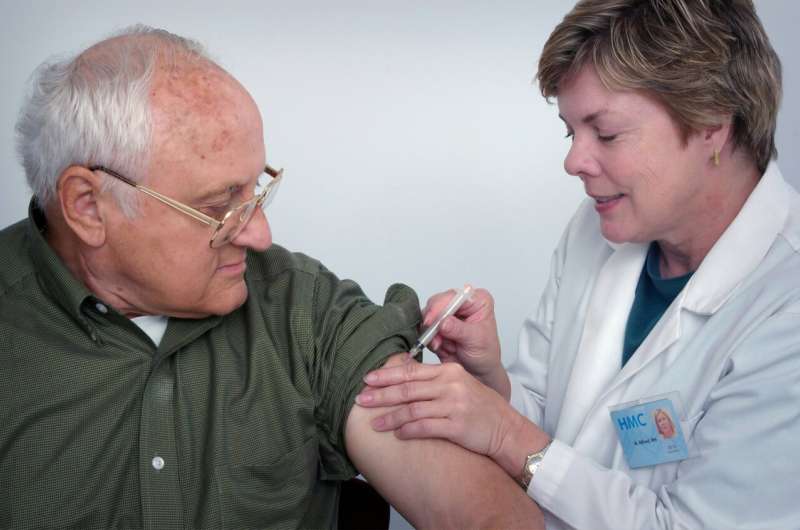
There is currentlyone shingles vaccine available in Canada: Shingrix (generic name non-live zoster vaccine recombinant, adjuvanted), which is given in two doses.
Clinical trialshave consistently shown this vaccine provides strong protection against shingles and its complications across multiple populations, with97% effectivenessagainst shingles among immunocompetent adults aged 50 and older over three years. The vaccine has also been found to be generally well tolerated among immunocompetent adults aged 50 and older and immunocompromised adults aged 18 and older.
Recent research shows the vaccine remains highly effective even in the11th yearafter vaccination, with82% effectivenessagainst shingles among immunocompetent adults aged 50 and older.
Canada'sNational Advisory Committee on Immunization (NACI)strongly recommends Shingrix for adults aged 50 and older, including those who previously received the earlier shingles vaccine (Zostavax, generic name zoster vaccine live) or who have had shingles. NACI also strongly recommends Shingrix for immunocompromised adults aged 18 and older.
The second dose of Shingrix is recommended two to six months after the first dose. For immunocompromised adults, however, the second dose can be administered at least four weeks after the first dose.
Vaccine coverage remains low in Canada
Despite strong recommendations and a highly effective vaccine, shingles vaccination rates remain relativelylow in Canada.
As of 2023, only 38% of adults aged 50 and older reported having received at least one dose of the shingles vaccine. In some provinces and territories, vaccination rates are even lower, falling to around 25%.
One reason is that public coverage for the shingles vaccine varies widely across Canada. Currently,eight of Canada's 13 provinces and territoriesprovide some level of public coverage for Shingrix, often limited to specific age groups or high-risk populations.
OnlyPrince Edward IslandandNewfoundland and Labradorprovide coverage for all adults aged 50 and older. Newfoundland and Labrador also covers immunocompromised adults aged 18 and older.
For those without public coverage, thetwo-dose vaccinecosts roughly $300 to $400, which must be paid out of pocket or through private insurance.
Perception of risk may also play a role in low vaccination rates. Onenational surveyfound that 72% of adults aged 50 and older in Canada either do not know or underestimate their risk of developing shingles.
In surveys of older Canadians, the most commonly reported reason for not receiving the shingles vaccine was the belief thatvaccination was unnecessary.
Other factors related to vaccine delivery may also influence uptake, including barriers to pharmacist provision and alack of recommendationsfrom health care providers.
Preventing this painful infection
Shingles is a common and often painful infection, but it is also largely preventable through vaccination.
Approaches to prevention include increasing awareness, improving vaccine access, encouraging health care provider recommendations and urging those at higher risk to speak with a health care provider about shingles vaccination.
These measures can help increase vaccination rates across Canada and prevent a disease that can unnecessarily have a negative impact on people's overall quality of life.
This article is republished fromThe Conversationunder a Creative Commons license. Read theoriginal article.
Key medical concepts Shingles Neuralgia, Postherpetic Varicella virus live vaccine








Post comments