




































byICES
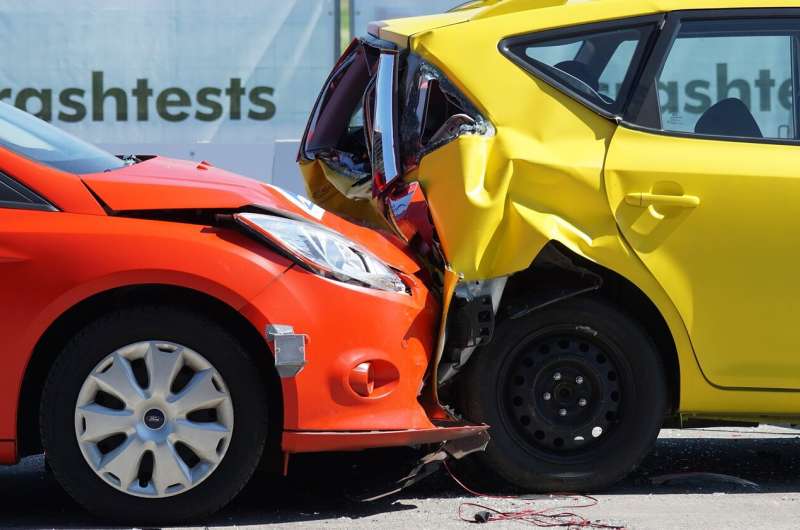
Credit: CC0 Public Domain
Adults diagnosed with a concussion may be at about 50% higher risk of a subsequent traffic crash, finds a study from researchers at ICES and Sunnybrook Research Institute.
The study "Concussions and risk of a subsequenttrafficcrash: retrospective cohort analysis in Ontario, Canada" is published inBMJ Open.
Concussions can temporarily affectbrain function, withsymptomsincluding insomnia, dizziness, depression, brain fog, and slowed reaction times that can linger for weeks. These symptoms could alter driving skills and increase the risk of a motor vehicle accident.
"I worry that sometimes a concussion requires morerecovery timethan most people realize," says Dr. Donald Redelmeier, scientist at ICES and Sunnybrook Research Institute. "Rushing things might lead to another injury including a life-threatening traffic crash."
Some limitations of the study include the lack of data on concussion severity, as well as other factors that predispose patients to concussions as well as contribute to traffic crashes. While the findings cannot establish cause and effect, concussions can lead to symptoms that increase the risk of a serious traffic crash.
"These results highlight the importance of traffic safety following a concussion as well as preventing concussions in the first place," says Robert Tibshirani, a professor of statistics at Stanford University and also a co-author of the study.
The researchers recommend patients treat insomnia, headaches, depression, or substance misuse and also avoid high-speed trips during late-night hours in bad weather during the first month after a concussion. Clinicians should also warn patients about road traffic safety after aconcussion.
More information: Concussions and risk of a subsequent traffic crash: retrospective cohort analysis in Ontario, Canada, BMJ Open (2025). DOI: 10.1136/bmjopen-2025-105391 Journal information: BMJ Open
Provided by ICES











Post comments