




































by Lauren Ball, Emily Burch, Mackenzie Derry,The Conversation
Credit: Unsplash/CC0 Public Domain
For most people, eating a wide variety of fruit and vegetables is the cornerstone of a healthy diet.
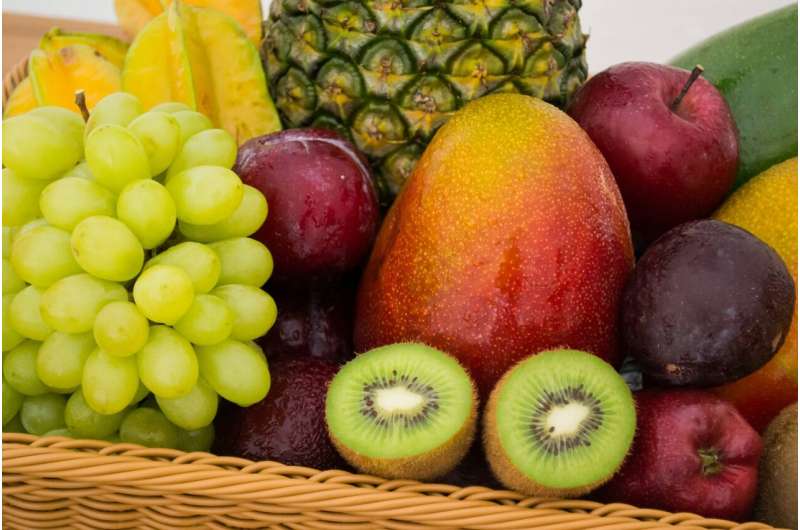
But for people withhereditary fructose intolerance, even a couple of bites of juicy watermelon or some sun-dried tomatoes in a salad can cause serious health problems.
This rare condition isn't a food allergy or sensitivity.
But it can lead to serious health problems if not identified and correctly managed.
Hereditary fructose intolerance is arare genetic conditionthat affects how the body manages the sugar fructose.
Fructose isn't just in fruit. It's in honey, some vegetables, sweetened drinks, and many packaged foods, such as cakes, cookies, sauces and some breads. Fructose can also be added during the processing of some meats (deli meats and sausages) anddairy products(chocolate milk).
Sucrose (table sugar) and sorbitol (a sugar substitute often in chewing gum, toothpaste and medications) also contain fructose or are converted into fructose during digestion. This means people with hereditary fructose intolerance are also intolerant to these sugars.
People with the condition don't have thekey enzymealdolase B needed to break down fructose.
This means fructose builds up in the liver, kidneys and intestines. This excess fructose can cause serioushealth problems, such as seizures, coma and, in some cases, death from liver and kidney failure.
Hereditary fructose intolerance is passed down to a person when both theirparents carry the gene. It is considered a rare condition that affects aboutone in 10,000 people.
It usuallybecomes noticeablewhen babies begin eatingsolid foodsincluding fruit, vegetables or sweetenedbaby foodsthat contain fructose.
In adults, hereditary fructose intolerance can bemissed or misdiagnosedas other conditions such as glycogen storage disease, an eating disorder or recurrent hepatitis.
Because of this overlap in symptoms, hereditary fructose intolerance in adultscan remain undetected for years.
Hereditary fructose intolerance is markedly different to a food allergy. Afood allergyinvolves the immune systemreacting to a food—for example, cow's milk protein—as if it's harmful to the body. This can causesymptomssuch as hives and welts, swelling of the mouth or trouble breathing.
Hereditary fructose intolerance is also different to a food sensitivity, such as lactose intolerance or non-celiac gluten sensitivity. This doesn't involve theimmune systembutcan still cause discomfortsuch as bloating, altered bowel habits or stomach pain.
Hereditary fructose intolerance is a genetic condition that causes a food intolerance and is not immune-related.
The condition is also different to fructose malabsorption (which, confusingly has previously been referred to as "dietary fructose intolerance" informally). This is a milder digestive condition where thesmall intestinedoesn't absorb fructose well, and causessymptomssuch as stomach pain, bloating and gas.
In babies andyoung children,symptomsmay include vomiting, unusual sleepiness or irritability, food refusal and failure to gain weight.
Some children instinctively avoid sweet foods, which may mask the condition until later in childhood or adulthood.
In adults, symptoms can include chronic stomach pain, fatigue and unexplained low blood glucose (sugar) levels. Doctors may notice subtle clues such as a swollen liver, abnormal liver tests or signs of fatty liver disease.
Confirming the condition requiresgenetic testingor a specialized glucose (sugar) tolerance test. But for many, diagnosis only comes after years of confusion, frustration, and dietary trial and error.
There's no cure for hereditary fructose intolerance. But it can be managed by strictly avoiding fructose, sucrose and sorbitol. Reading labels becomes essential for daily life, as even sauces, medications and toothpaste can contain these sugars.
People with the condition need to watch the following:
If someone avoids certain foods or if they unwell after eating fruit, don't assume they're fussy or dieting—they might have hereditary fructose intolerance.
Greater awareness of this rare condition could mean earlier diagnosis and better support for those affected.
For parents, noticing a child's sudden or strong aversion to sweets, repeated vomiting or slow growth can be an important clue.
And for doctors, considering hereditary fructose intolerance as a possible cause of unexplained digestive problems, low blood glucose or liver changes could make a life-changing difference.
More information about hereditaryfructoseintoleranceis available, including recipes, tips on how to read food labels, and support.
This article is republished fromThe Conversationunder a Creative Commons license. Read theoriginal article.
Provided by The Conversation










Post comments