



































Credit: Pixabay/CC0 Public Domain
A research team led by Dr. Lee Da young, Dr. Nan Hee Kim of the Division of Endocrinology and Metabolism (Department of Internal Medicine, Ansan Hospital), Dr. Lee Heon-jeong of the Department of Psychiatry (Anam Hospital) and Dr. Lee Jung-been of the Division of Computer Science and Engineering (Sun Moon University) announced findings indicating that circadian rhythms (biorhythms) are closely related to blood glucose control in patients with type 2 diabetes.
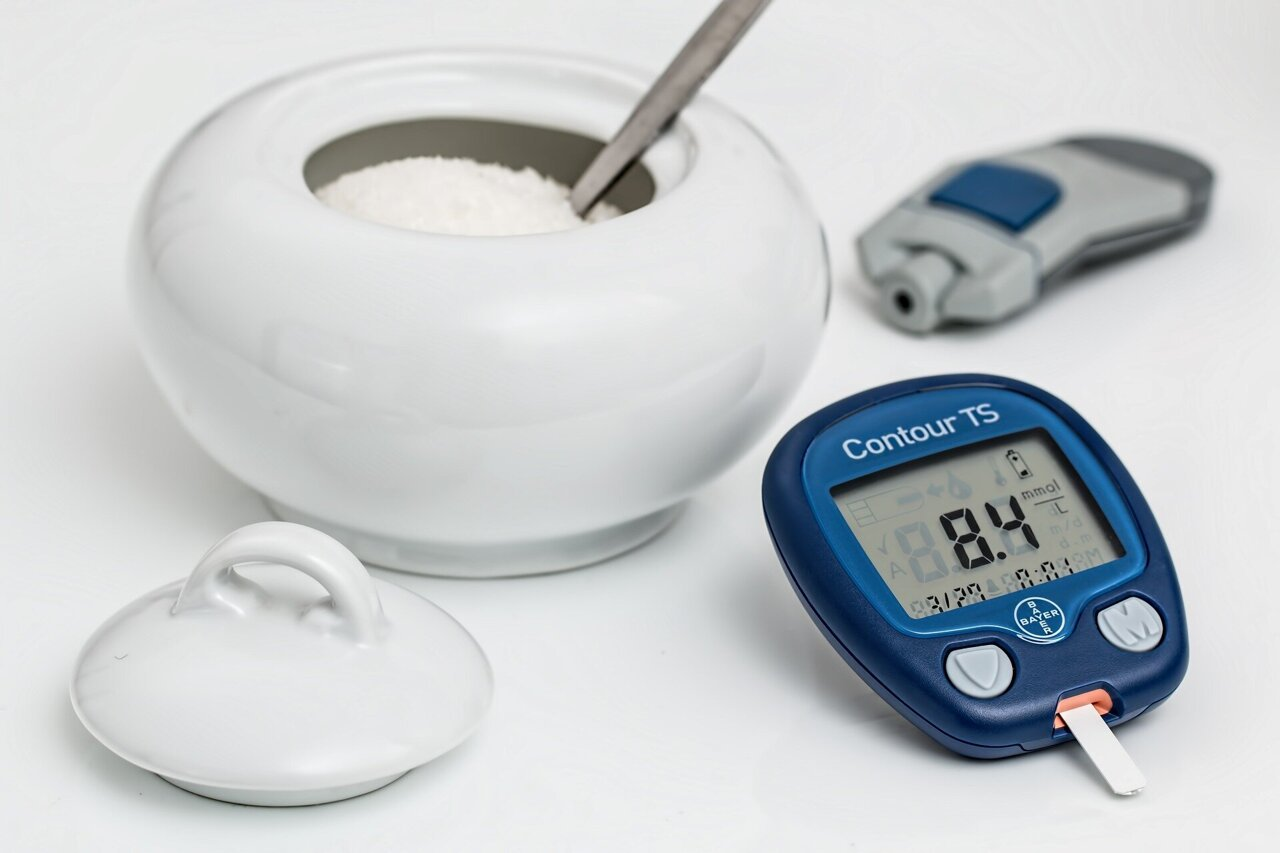
The research analyzed the relationship between circadian rhythms and blood glucose changes using CGM and wearable activity monitors.
The research team studied 122 patients with type 2 diabetes who received insulin treatment at Ansan Hospital from 2021 to 2024. The participants wore CGM devices and wearable activity monitors for 10 days. The team collected data related to their circadian rhythms, including blood glucose changes, sleep times, physical activity levels and heart rates.
The paper is published in the journal Metabolism.
The analysis showed that 46.3% of patients in the group with the most stable circadian rhythms achieved their blood glucose management goal. That rate was approximately 2.3 times as high as the rate for the group with the least stable rhythms (20.0%). Even after accounting for factors such as age, BMI and HbA1c, greater circadian rhythm stability was associated with a higher probability of achieving blood glucose management goals.
The correlation between activity and blood glucose management also differed depending on the time of day. The research team divided the day into early morning (midnight–6 a.m.), morning (6 a.m.–noon), afternoon (noon–6 p.m.) and night (6 p.m.–midnight) to analyze the relationship between step counts and blood glucose indicators during each period.
The results showed the strongest correlation between afternoon activity and blood glucose management indicators. Patients who were more active in the afternoon tended to spend more time within the target blood glucose range and exhibited lower blood glucose variability.
Sleep was also closely related to blood glucose management. Patients who got sufficient sleep had a lower risk of experiencing hypoglycemia and smaller fluctuations in blood glucose.
Lee Da young said, "Conventional diabetes management methods focused on diet, exercise and medication. But this research showed that we also need to pay attention to the management of biorhythms. Maintaining regular and stable lifestyle rhythms can help manage your blood glucose levels."
"Now that we have confirmed the correlation between biorhythms and blood glucose management, we will conduct a follow-up study to verify whether active intervention in patients' lifestyles to adjust their biorhythms would improve their actual blood glucose levels," she added. "Furthermore, we plan to validate the relationship between biorhythms and various diabetes complications such as diabetic kidney disease and retinopathy."
More information: Da Young Lee et al, Association of daytime circadian-aligned activity with glycemic control in type 2 diabetes: Insights from continuous glucose monitoring and wearable data, Metabolism (2026). DOI: 10.1016/j.metabol.2026.156570
Provided by Korea University College of Medicine
Source: MedicalXpress
Original article: https://medicalxpress.com/news/2026-10-daily-rhythms-blood-sugar-diabetes.html









Post comments