





























by Ludwig Maximilian University of MunichC1q (green) and ApoE (red) proteins form deposits in the choroid plexus, as the researchers revealed by super-resolution microscopy. Bar 1 µm. Credit: C.
by Béatrice St-Cyr-Leroux,University of MontrealSpatial similarity between the FEPS and other pain-related signatures. Credit:(2024). DOI: 10.7554/eLife.87962.2Stubbing your toe on a table
by Marilynn Marchione and Matthew PerroneIn this Dec. 12, 2019 photo provided by Biogen, a scientist works on Alzheimer's disease research in a laboratory at the drugmaker's headquarters in Ca
by Kate Wighton,Imperial College LondonCredit: CC0 Public DomainNew research may help explain why people with type 2 diabetes are more likely to develop dementia.The findings, from scientists at
by International Association for Dental, Oral, and Craniofacial ResearchCredit: Pixabay/CC0 Public DomainThe International Association for Dental, Oral, and Craniofacial Research (IADR) and the Americ
byAmerican Academy of NeurologyCredit: Unsplash/CC0 Public DomainPeople who have had a stroke may be more likely to sleep too much or too little compared to those without prior stroke, according
by Cell Transplantation Center of Excellence for Aging and Brain RepairResearchers testing the potential positive effects of "micro-injury" by brief insertion of a small needle into the hipp
by Laval UniversityDiagram of the brain of a person with Alzheimer's Disease. Credit: Wikipedia/public domain.The drop in body temperature associated with aging could aggravate the main manif
by Massachusetts General HospitalCredit: CC0 Public DomainA potential blood-based biomarker for Alzheimer's and other neurodegenerative diseases seems even more promising thanks to new resear
byCatholic University of the Sacred HeartCredit: Pixabay/CC0 Public DomainBy the age of three, children are capable of understanding others, "mirroring" those they are with to imitate
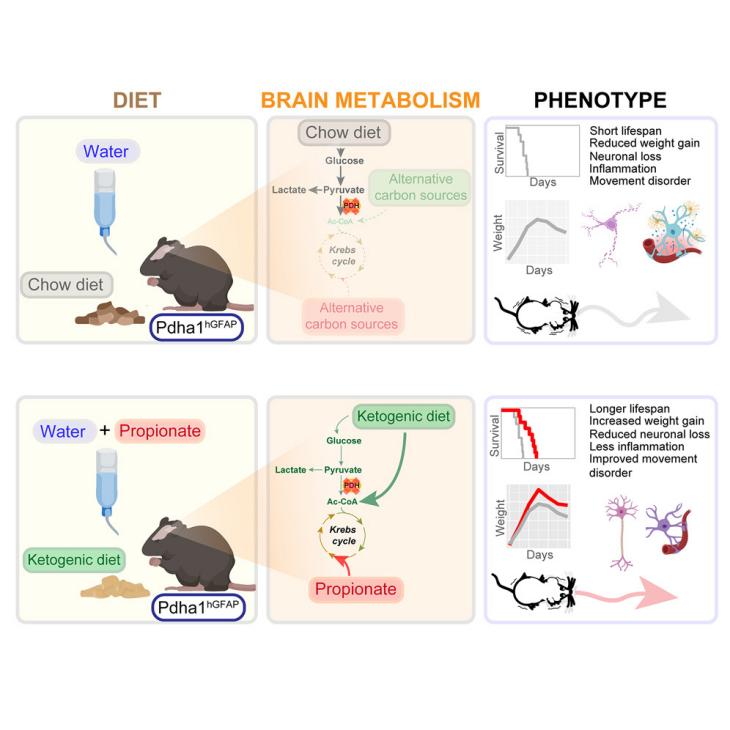
by Anne Hammarskjöld,Karolinska InstitutetGraphical abstract. Credit:Neuron(2024). DOI: 10.1016/j.neuron.2024.11.016An international research team, including researchers at Karolinsk