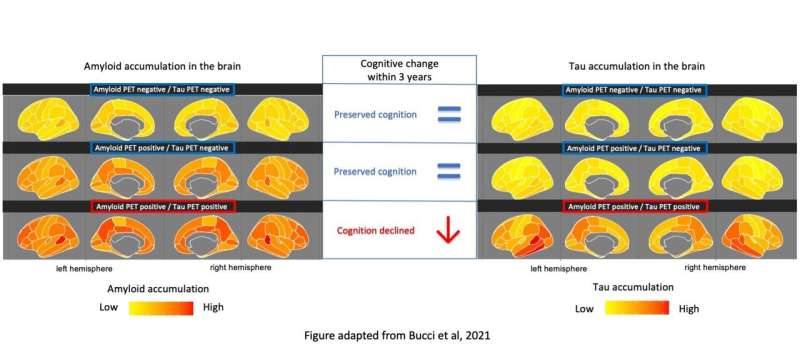




























(HealthDay)—There's plenty of evidence suggesting that people who are active socially, intellectually and physically may stave off Alzheimer's disease. However, a new study shows those efforts
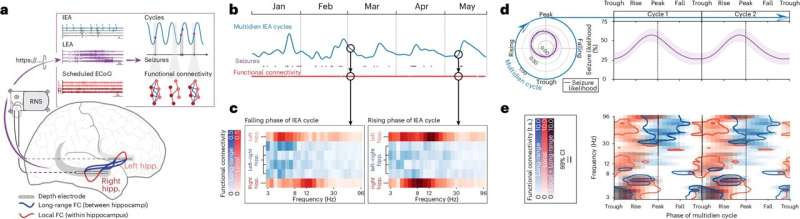
byUniversity of California, San FranciscoMapping network connectivity to cycles of seizure likelihood. Credit:Nature Medicine(2024). DOI: 10.1038/s41591-024-03149-6A team of epilepsy
by Bentham Science PublishersProgranulin is a central protein in both neuronal survival and neurodegenerative diseases. It is thus not surprising that altered progranulin levels represent a universal
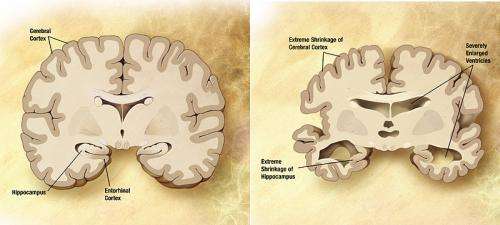
by Georgetown University Medical CenterDiagram of the brain of a person with Alzheimer's Disease. Credit: Wikipedia/public domain.In laboratory neuronal cultures, an FDA-approved drug used to
by Paul Mayne,University of Western OntarioRobarts Research Institute scientists Vania and Marco Prado have found a gene, TRPM2, that could be a therapeutic target to assist in decreasing cognit
by American Academy of NeurologyCredit: CC0 Public DomainPeople with higher levels of antioxidants in their blood may be less likely to develop dementia, according to a study published in the May
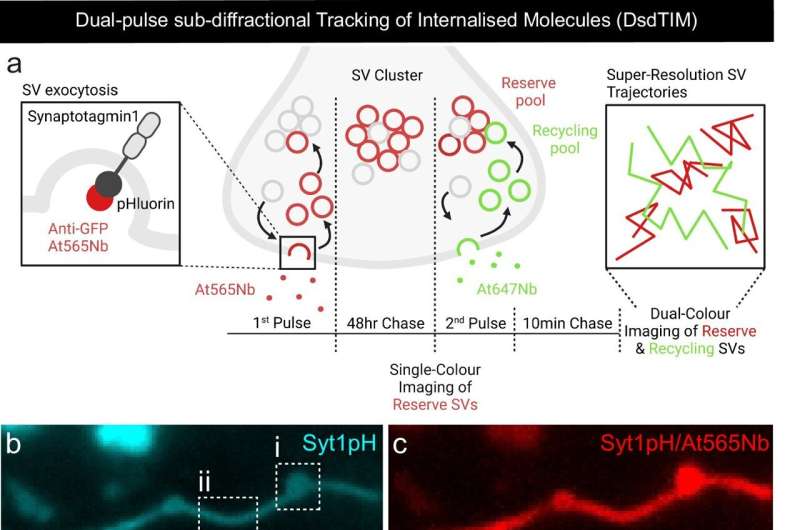
by Katrin Bühler,University of BaselA mathematical model reveals how interactions between neighboring contact sites of nerve cells influence learning. Credit: University of Basel, BiozentrumA re
by IOS PressCredit: CC0 Public DomainCaregivers of people with dementia and milder forms of neurocognitive disorder bear a heavy burden. They are constantly confronted with challenging symptoms a
byUniversity of Utah Health SciencesFruit flies for research purposes in a vial in lab. Credit: Charlie Ehlert / University of Utah HealthOne in 10 Americans live with a rare disease, which ofte
by University of ExeterCredit: Unsplash/CC0 Public DomainThe largest study of its kind has unveiled new insights into how genes are regulated in dementia, including discovering 84 new genes linke
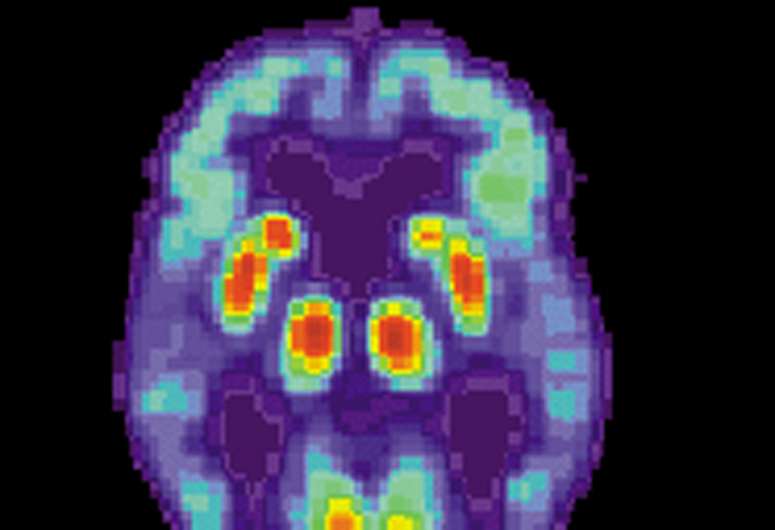
by Johns Hopkins University School of MedicinePet scan. Credit: Rebecca GottesmanIn a search for clues to what may delay or prevent Alzheimer's disease, Johns Hopkins Medicine scientists repo