




























by Nancy Averett,Michigan State UniversityCredit: Michigan State UniversityWhen it comes to certain parts of the brain, bigger doesn't necessarily equate to better memory. According to a new
by American Academy of NeurologyCredit: Pixabay/CC0 Public DomainOlder people with hypothyroidism, also called underactive thyroid, may be at increased risk of developing dementia, according to a
byThe Mount Sinai HospitalThe Icahn Mount Sinai researchers nominated and validated transcription factors BHLHE40 and BHLHE41 that regulate clearance processes in immune cells, including brain i
by Ecole Polytechnique Federale de LausanneEarly hallucinations in Parkinson's disease are associated with frontal cognitive decline (triangles), and preceded by specific frontal neural oscil
by Hannah Critchfield and Kirby WilsonCredit: Pixabay/CC0 Public DomainAt 53, Michele Hall was at the height of her legal career. She'd just sent her three kids to college. She had decades ahead w
byUniversity of California, San FranciscoM1R+OPCs are present in rat and human brain tissue sections. Credit:Proceedings of the National Academy of Sciences(2024). DOI: 10.1073
byIndian Institute of ScienceExploring the link between attention and eye movements. Credit: Priyanka Gupta/PixabayTwo new studies from the Center for Neuroscience (CNS), Indian Institute of Sci
by CHeBACredit: Unsplash/CC0 Public DomainInternationally renowned experts in dementia and cognitive assessment, including researchers from UNSW Sydney's Center for Healthy Brain Aging (CHeBA), ha
by Steve Macfarlane,The ConversationCredit: AI-generated imageToday'sreportingabout the alleged tasering of a 95-year-old woman living at the Yallambee Lodge aged care home in Ne
by Jenny Gold, Los Angeles TimesCredit: Unsplash/CC0 Public DomainAs measles cases pop up across the country this winter—including several in California—one group of children is stirring deep concerns
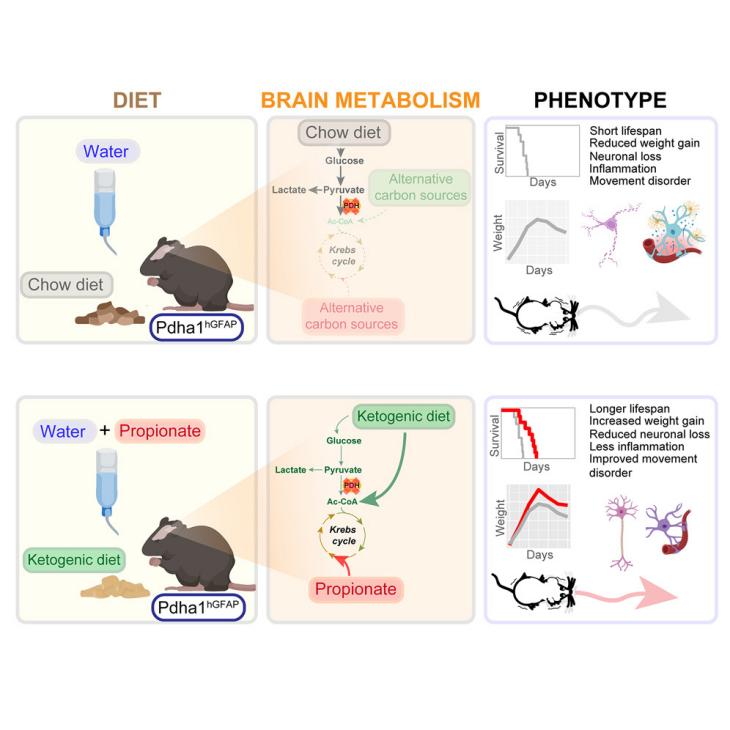
by University of OxfordGraphical abstract. Credit: DOI: 10.1093/braincomms/fcab295Researchers from Oxford's Department of Experimental Psychology and Nuffield Department of Clinical Neuroscie