


































By NYU Langone Health
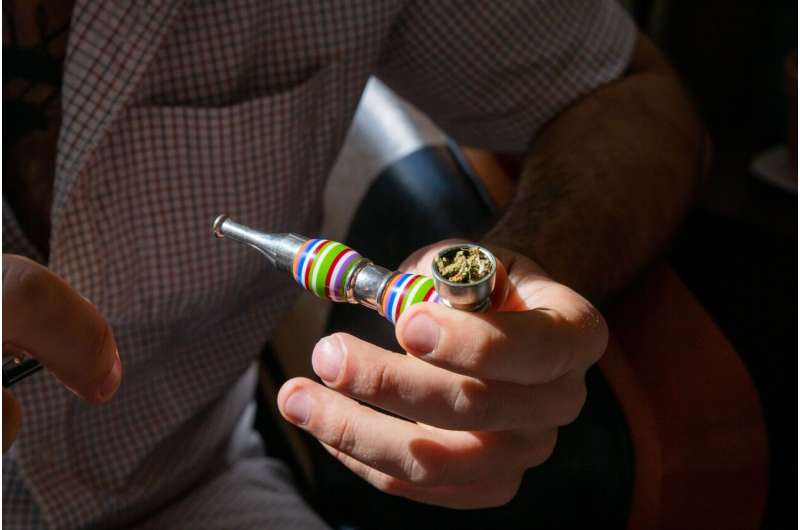
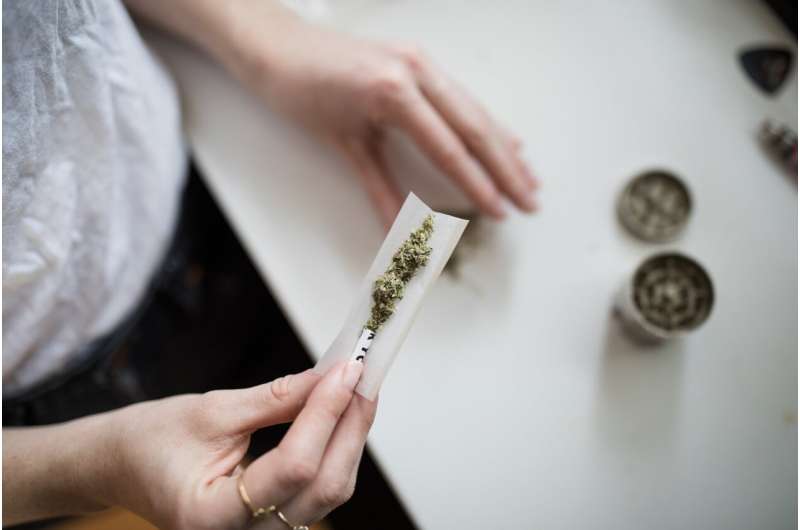
Credit: Kampus Production from Pexels
Nearly half of adults in the United States who use cannabis mainly smoke it, but about 1 in 7 use it in nearly every form available, a behavior tied to daily cannabis use and increased addiction risk, a new study shows.
Cannabis can be consumed by smoking, vaping, eating or dabbing, a practice in which people heat cannabis concentrates and inhale the vapor. According to recent national survey data, about 43.8 million people in the U.S. ages 12 and older (more than 15%) had used cannabis in the past 30 days.
Led by NYU Langone Health researchers, the study showed that 48% mainly smoked, 21% both smoked and vaped, 17% mainly used edibles, and 14%, the "polymodal group," used cannabis in nearly every form.
Published online Aug. 8 in the journalAddictive Behaviors,the work showed that about half of the polymodal group used cannabis every day. By comparison, 28% of those who mostly smoked, 31% of those who smoked and vaped, and about 13% of those who mostly ate edibles used cannabis every day.
Cannabis use disorder, the clinical term for related addiction, followed the same pattern, affecting about 67% of polymodal users versus 36% of those who primarily smoked, 47% of those who smoked and vaped, and 15% of those who mainly consumed edibles.
"Our findings suggest that using cannabis in multiple forms may be a red flag for heavier use and symptoms of addiction," said study lead author Omar El-Shahawy, MD, Ph.D., MPH, an assistant professor in the Department of Population Health at NYU Grossman School of Medicine. "Asking patients not only whether but how they use cannabis could help clinicians identify when a fuller assessment may be warranted."
In the first national study to examine how these methods naturally cluster, the researchers analyzed data from 17,732 adults who reported using cannabis in the past month on the 2022–2023 National Survey on Drug Use and Health. The authors used a statistical approach that grouped participants based on their reported patterns.
The results also revealed that types of cannabis users varied demographically. Nearly 1 in 3 people in the smoking-and-vaping and polymodal groups were young adults ages 18–25, compared with about 1 in 6 of those who mainly smoked. More than half of the edibles group were women, and edibles were especially prevalent among college graduates.
Since the researchers did not examine why participants chose particular methods of cannabis use, the reason behind these patterns remains uncertain, El-Shahawy said.
Another key finding was that people who smoked cannabis were more likely to also smoke cigarettes than those who mainly vaped or used edibles. Both cigarette and cannabis smoke involvecombustion (burning), which can be hard on the lungs, so doing both may add to their overall health risks.
"The strong tie between smoking cannabis and smoking cigarettes is of concern because this subset of people are breathing in a wider range of chemicals via combustion, and their lungs are at risk," said senior author Joseph J. Palamar, Ph.D., MPH, a professor in the Department of Population Health at NYU Grossman School of Medicine.
"Public health messages about cannabis still focus mostly on smoking, but people now use the drug in many different ways," El-Shahawy said. "For younger adults, that means talking about the risks of vaping and combining multiple forms, while for people who prefer edibles, the message is to 'start low and go slow' because the effects take time to kick in."
According to El-Shahawy, the team next plans to examine why people choose one method over another—for example, whether those who favor edibles are using cannabis for pain or sleep.
The researchers cautioned that the findings rely on participants' self-reports of their cannabis use and that some use may have been underreported. In addition, the study could not establish cause and effect.
More information Omar El-Shahawy et al, Cannabis use modalities are associated with sociodemographic characteristics and patterns of cannabis use among US adults: A latent class analysis, Addictive Behaviors (2027). DOI: 10.1016/j.addbeh.2026.108829






Post comments