

































By Monash University
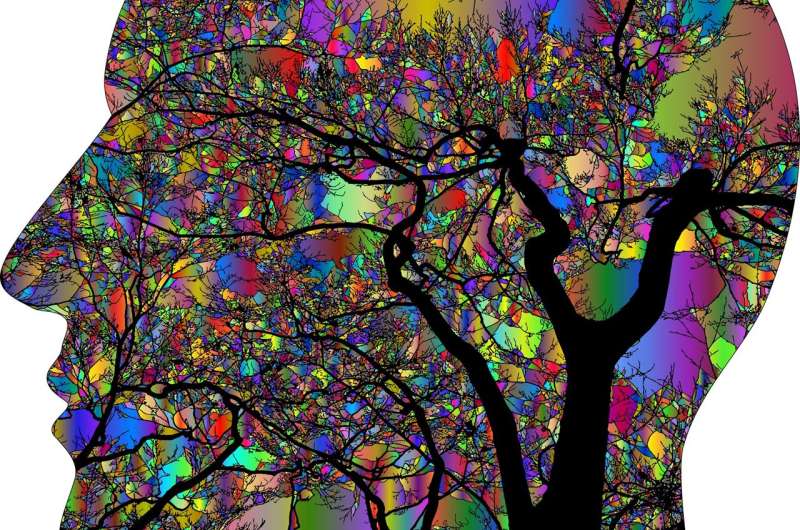
Credit: Pixabay/CC0 Public Domain
A landmark five-year study by Monash University has found psychedelics reorganize brain patterns, giving clinicians powerful new insights into their therapeutic potential.
Published in the journalNature, the research is the world's largest single-site brain-imaging study of the acute effects of psilocybin, the psychedelic compound found in magic mushrooms.
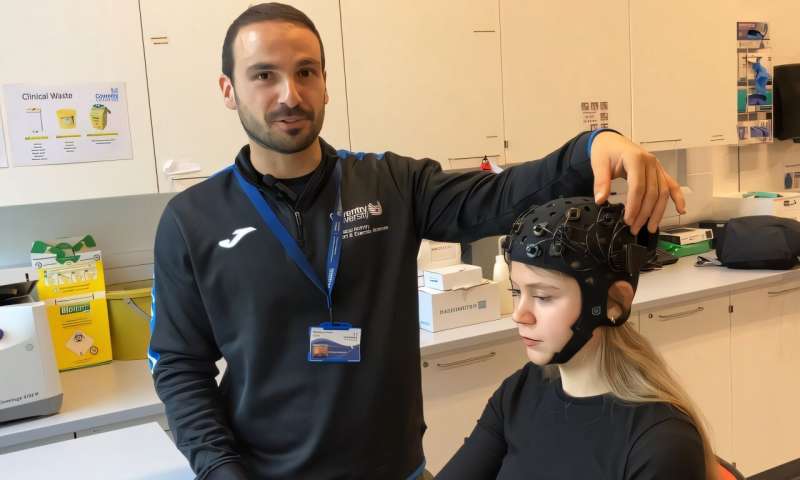
Researchers used brain imaging to understand what happened in the brains of 62 healthy adults receiving psilocybin while resting, meditating, listening to music and watching a movie.
Lead author Dr. Devon Stoliker, a Turner Impact Research Fellow at the Turner Institute for Brain and Mental Health in the Monash School of Psychological Sciences, said previous research had shown that psychedelics disrupt theusual organization of brain networks.
"We uncovered hidden order within that disruption," Stoliker said.
"Under psilocybin, brain networks that help us process our inner world and the world around us became less distinct, but reorganized into patterns that reflected what people were experiencing.
"This was strongest in people who had more positive psychedelic experiences and felt less separate from the world around them."
Senior author and principal investigator Professor Adeel Razi, from the Turner Institute for Brain and Mental Health in the Monash School of Psychological Sciences, said changes in brain pattern organization also varied with participants' surroundings and focus.
"The patterns changed depending on whether participants were resting, listening to music, meditating or watching a movie," Razi said.
"This shows that context is not just background to the psychedelic experience.
"What a person is doing and focusing on shapes how their brain responds.
"For treatment, that reinforces why the environment and what a person does and experiences during the psychedelic session matter."
The study was carried out at Monash Biomedical Imaging, co-located with BrainPark, where the psilocybin therapy sessions were performed.
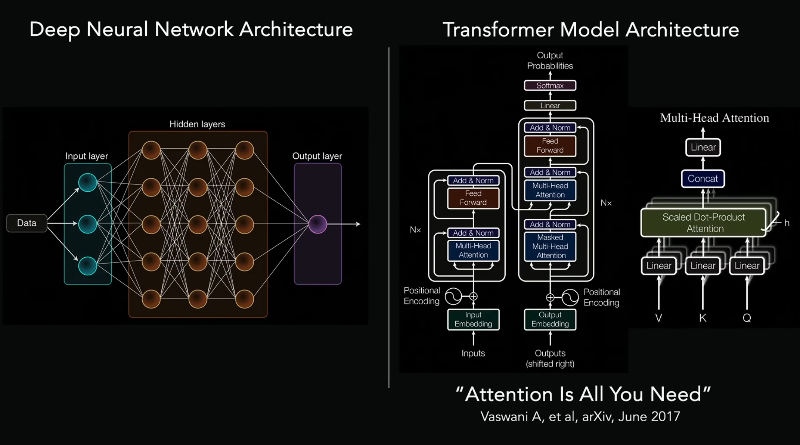
The study combined advanced brain-imaging analyses by co-author Dr. Leonardo Novelli with AI analyses by co-author Dr. Moein Khajehnejad.
Stoliker said researchers can now use what they learned in this trial to work toward developing therapies that help patients achieve greater clarity, psychological flexibility and new perspectives.
"People who showedstronger reorganizationalso reported greater positive psychological changes the following day," Stoliker said.
"Until now, brain-imaging studies have mainly told us what happens on average across a group.
"Using artificial intelligence, we could measure this reorganization in each person."
Razi said this ability to measure individual responses could have important implications for treatment.
"If translated to patients, this could eventually help clinicians understand how someone is responding and predict who is most likely to benefit," Razi said.
Australia is the first country in the world tolegalize psilocybin for treatment-resistant depressionand MDMA for PTSD.
The United States and other nations are now exploring similar pathways.
"Australia is a trailblazer in this growing area of science, with a distinct global advantage in scaling these therapies responsibly," Razi said.
"As these countries look to us for direction, research from Monash will provide critical evidence to guide safe and effective implementation."







Post comments