




































byAmerican Heart Association
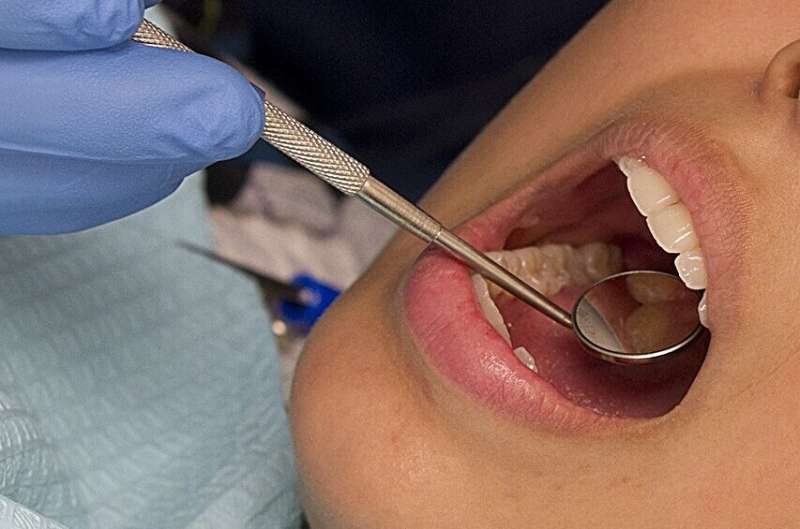
Credit: American Heart Association
There is increasing evidence that gum disease is associated with an increased risk of cardiovascular events, including heart attack, stroke, atrial fibrillation, heart failure and cardiometabolic health conditions.
Effective prevention and treatment of gum disease, also called periodontal disease, could potentially decrease the burden of cardiovascular disease, according to a new scientific statementpublishedinCirculation.
The new American Heart Association scientific statement, "Periodontal Disease and Atherosclerotic Cardiovascular Disease," features new data supporting an association between periodontal disease and atherosclerotic cardiovascular disease (ASCVD) and updates the Association's 2012 scientific statement.
ACSVD, the leading cause of death globally, is caused by buildup of arterial plaque (fatty deposits in the arteries) and refers to conditions that include coronary heart disease, stroke, peripheral artery disease and aortic aneurysms.
"Your mouth and your heart are connected," said Chair of the scientific statement writing group Andrew H. Tran, M.D., M.P.H., M.S., FAHA, a pediatric cardiologist and the director of the preventive cardiology program at Nationwide Children's Hospital in Columbus, Ohio.
"Gum disease and poor oral hygiene can allow bacteria to enter the bloodstream, causing inflammation that may damage blood vessels and increase the risk of heart disease. Brushing, flossing and regular dental checkups aren't just about a healthy smile—they're an important part of protecting your heart."
More information Andrew H. Tran et al, Periodontal Disease and Atherosclerotic Cardiovascular Disease: A Scientific Statement From the American Heart Association, Circulation (2025). DOI: 10.1161/cir.0000000000001390 Journal information: Circulation











Post comments