




































by Rachel Woods,The Conversation
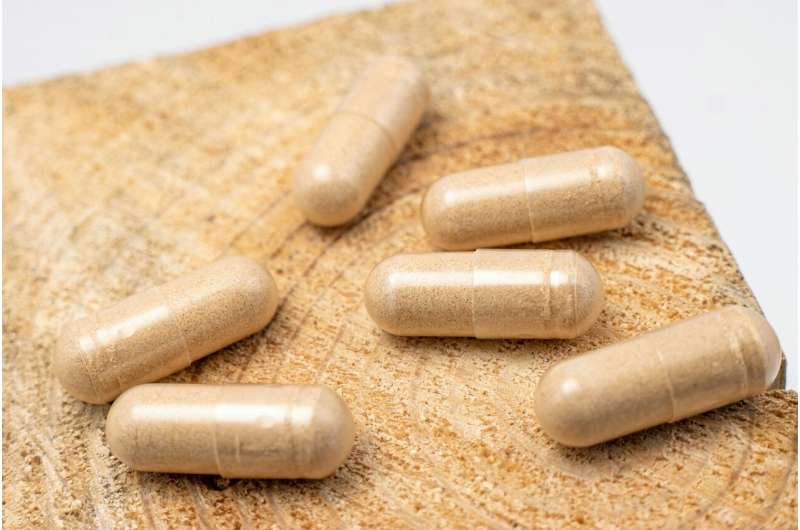
Credit: Unsplash/CC0 Public Domain
Colostrum is often called "liquid gold" by lactation specialists, midwives and infant-health researchers. It's the early milk produced in the first days after childbirth: thick, yellow and rich in antibodies, proteins and nutrients.
Newborn babies benefit greatly from it because their immune systems are not yet fully developed and their stomachs can only hold very small amounts. For babies, there's no debate:colostrumis incredibly beneficial.
But somewellnessbrands are marketingcolostrumto adults. Kourtney Kardashian Barker's Lemme range sells it as sweet gummies and as a sugar-free liquidsupplementand creamer.
The appeal is easy to understand. Colostrum has a powerful reputation ininfant health. If it protectsnewborns, many assume it must offer something extraordinary for adults too—but does it?
Babies and adults have very different nutritional needs.A newborn's stomachholds only a few milliliters, and their immune system is immature. Colostrum provides highly concentrated immune and nutritional factors that the baby needs in its first days of life.
Adults, by contrast, have fully developed digestive and immune systems and can obtain nutrients from a varied diet.An adult stomachholds around one to one-and-a-half liters and expands further after eating. What is essential for a baby isnot automatically usefulor necessary for an adult body.
While colostrum has undeniable benefits in early life, the versions sold to adults are processed, flavored and taken in much smaller amounts. That's why it's important to look closely at what these products contain and what their marketing suggests they can do.
Colostrum-based supplements are often promoted using persuasive wellness language and health-related suggestions, butscientific evidencefor their effectiveness in adults remains limited, early and often based on small studies involving specific groups rather than healthy people. Here's a closer look at the ideas behind some of these marketing messages and what research actually tells us.
Some small studiessuggest that bovine colostrum might reduce temporary increases in intestinal permeability, sometimes called "leaky gut," where the lining of the intestine becomes less effective at keeping out bacteria and toxins. These changes can occur after intense exercise or when takingnon-steroidal anti-inflammatory medicines, drugs that can irritate the stomach and gut lining.
However, these studies involved only a small number of participants in specific contexts, nothealthy adultsin everyday life. The findings are considered preliminary and would require larger, well-designed clinical trials before any conclusions could be drawn about general digestive benefits.
The prebiotic fibers inulin and xylooligosaccharides, sometimes added to supplements, are much better studied. Inulin has been shown to increase levels of beneficial gut bacteria such asbifidobacteria, while xylooligosaccharides have been linked to greater bacterial diversity and small improvements in markers related to bowel health, obesity and type 2 diabetesin early research.
But these fibersare not uniqueto colostrum-based products. They also occur naturally in foods such as onions, garlic, leeks, bananas and chicory root and are widely available as standalone fiber supplements.
Colostrum helps newborns develop immunity by providing antibodies at a time when their immune systems are still forming. This does not mean that taking colostrum will strengthen a healthy adult's immune system.
The idea of "boosting" immunity—a phrase used in promotional material for Kardashian Barker's Lemme colostrum supplements—iscommon in wellness marketing, but itcan be misleading. A healthy immune system doesn't usually need boosting, and an overactive onecan cause harmby attacking the body's own tissues, as happens in autoimmune conditions such as type 1 diabetes or rheumatoid arthritis.
Some researchhas explored the potential of bovine colostrum in specific conditions, such asulcerative colitisandtravelers' diarrhea. But these studies are small, focus on people who are already unwell and cannot be generalized to the wider population. Anyone with health concerns should seek medical advice before taking anysupplement.
In Lemme's products, references to immune support appear to rely primarily on vitamin D.Vitamin D does help regulatetheimmune systemand supports bone health, and low levels are common in winter or in people with limited sunlight exposure. However, vitamin D is inexpensive and widely available as a standalone supplement.
This is a broad phrase without a specific scientific definition. On the Lemme website, the company states that vitamin D supports healthy bones and teeth, which is accurate, but that benefit is not unique to its colostrum products.
This phrase hasappeared in some advertising coveragebut not on the official product page. "Glowing skin" has no clinical definition and no standard method of measurement. There's currently no evidence that colostrum, or any of the ingredients in these supplements, produces this effect.
Lemme's website includes the standard disclaimer found on most dietary supplements, stating that the products are not intended to diagnose, treat, cure or prevent disease.
The brand also describes its ingredients as "clinically studied." This is not the same as "clinically proven." The phrase typically means that an ingredient has been tested in some form of study, but it does not indicate whether the results were positive, significant or relevant to human health.
Research showsthat consumers oftenconfuse these terms. It sounds scientific but does not demonstrate proven efficacy.
Colostrum is extraordinary for newborns. Nature designed it to protect babies during their most vulnerable days. For adults, however, there isno strong evidencefrom large, well-designed trials that colostrum supplements improve skin, digestion or immunity in healthy individuals. Some ingredients in these products may show potential in specific medical conditions, but that is not the same as demonstrating general wellness effects.
Colostrum supplements primarily market the idea of something pure, powerful and natural. At present, the science does not fully support these suggestions.
This article is republished fromThe Conversationunder a Creative Commons license. Read theoriginal article.
Provided by The Conversation











Post comments