




































byAmerican Heart Association

Credit: American Heart Association
Among people with a previous heart attack or stroke, or who are at high risk for one, a daily oral medication may offer an effective alternative to injections of PCSK9 inhibitors to lower low-density lipoprotein (LDL or "bad" cholesterol), according to a preliminary late-breaking science presentation Saturday at the American Heart Association'sScientific Sessions 2025. The meeting, held Nov. 7–10 in New Orleans, is a premier global exchange of the latest scientific advancements, research and evidence-based clinical practice updates in cardiovascular science.
"Thisoral medicationis set to be another powerful addition to the treatments we currently have to lower LDL cholesterol and hopefully prevent cardiovascular events," said lead study author Ann Marie Navar, M.D., Ph.D., FAHA, an associate professor of cardiology at the University of Texas Southwestern Medical Center in Dallas. "Many patients struggle to reach guideline-recommended cholesterol targets despite currently available therapies, leaving them at unnecessary risk of stroke and/orheart attack."
In the last decade, a new FDA-approved type of medication became available to reducebad cholesterolin people who don't achieve recommended levels despite lifestyle changes and maximum treatment with statin medications. Known as PCSK9 inhibitors, these medications include antibodies that block the PCSK9 protein from binding to the LDL receptor, and small interfering RNA, which reduce the production of the PCSK9 protein. Inhibiting PCSK9 helps increase the number of LDL receptors available to help clear "bad" cholesterol out of the bloodstream. Both classes of PCSK9 inhibitors are only administered by injection under the skin.
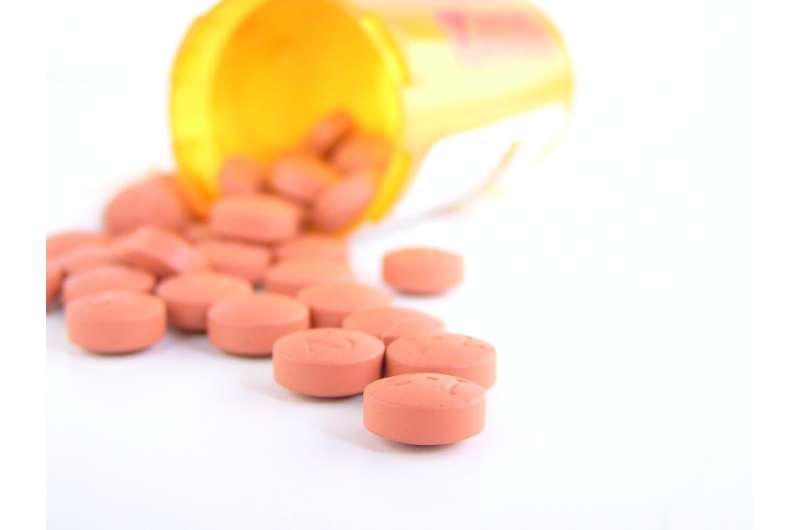
In 2021, studies found that an investigational, oral small molecule macrocyclic peptide, enlicitide, can also block PCSK9 from binding to LDL receptors, thereby reducing blood levels of LDL when taken daily. This study, Efficacy and Safety of Enlicitide, an Oral PCSK9 Inhibitor, for Lowering LDL Cholesterol in Adults with or At-Risk for ASCVD: The Phase 3 CORALreef Lipids Trial (CORALreef Lipids), is a phase 3 trial in adults evaluating the safety and LDL-lowering ability of enlicitide.
After 24 weeks of daily treatment, the analysis found that compared with those taking a placebo, participants taking enlicitide had:
In this study, 7 out of 10 participants taking enlicitide had at least a 50% reduction in LDL-C and also achieved an LDL below 70 mg/dL, and more than two-thirds reduced their LDL-C by at least 50% or more and also achieved levels below 55 mg/dL.
"In addition to these dramatic improvements when compared with placebo, daily enlicitide resulted in almost identical changes in LDL, non-HDL and ApoB to those achieved with the injectable antibodies alirocumab and evolocumab," Navar said. "And, results with enlicitide were numerically better than what has been shown for the siRNA medication inclisiran, which blocks the production of the PCSK9 protein."
Study details, background or design:
"The CORALreef outcomes trial is still ongoing and will determine if and by how much the lower LDLs achieved with enlicitide will prevent major cardiovascular events," Navar said.
Provided by American Heart Association








Post comments