




































byAmerican Heart Association
Credit: Pixabay/CC0 Public Domain
In a small, short duration trial (12 weeks), a new medication called DR10624 reduced triglyceride levels in most patients with severe hypertriglyceridemia by more than 60%, according to a preliminary late-breaking science presentation Saturday at the American Heart Association'sScientific Sessions 2025. The meeting, held Nov. 7–10 in New Orleans, is a premier global exchange of the latest scientific advancements, research and evidence-based clinical practice updates in cardiovascular science.
The study was designed to test whether DR10624 could safely and effectively lower very high levels of lipids in the blood or triglycerides in people with severe hypertriglyceridemia (500–2,000 mg/dL), who may be at high risk of cardiovascular disease or pancreatitis due to elevated triglycerides.
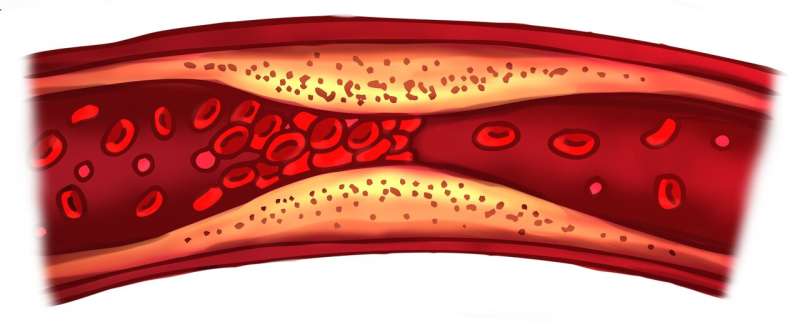
High triglyceride levels combined with high LDL cholesterol or low HDL cholesterol are linked to fatty buildup in the artery walls, which increases the risk of heart attack and stroke, as well as other serious health problems including inflammation of the pancreas. In addition, high triglycerides often lead to excess fat in the liver, also known as metabolic dysfunction-associated steatotic liver disease (MASLD; formerly callednon-alcoholic fatty liver disease(NAFLD)), which can cause metabolic dysfunction-associated steatohepatitis (MASH) (formerly called nonalcoholic steatohepatitis (NASH)).
There are no standard therapeutic treatments for MASLD, while there is only one FDA-approved therapy for MASH. Current treatments for high triglyceride levels include fibrates, concentrated omega-3 fatty acids (available by prescription only) or statins. However, they don't always provide sufficient triglyceride lowering and/or may have limited effects on liver fat.
DR10624 activates three different receptors in the body, FGF21, glucagon and GLP-1 receptors, all of which help to control how the body processes fats and sugars. This is the first investigational medication of its kind to target all three receptors at once.
"DR10624 could become a game-changer for patients with severe hypertriglyceridemia by reducing long-term risks of pancreatitis, as well as conditions like MASLD and cardiovascular disease," said lead study author Jianping Li, M.D., Ph.D., a professor and chief in the Institute of Cardiology Disease at Peking University First Hospital in China. "Severe hypertriglyceridemia is often difficult to manage with existing treatments, so access to more treatment choices are crucial for improvingpatient outcomesas well as quality of life."
The study included 79 adults with very high triglyceride levels (between 500 and 2000 mg/dL) randomly assigned to receive either a weekly, subcutaneous injection of DR10624 at one of three doses (12.5 mg, 25 mg or 50 mg titration) or a placebo for 12 weeks. The study was double-blind, meaning neither the participants nor the researchers knew who was being treated with DR10624 versus the placebo.
After 12 weeks:
"Patients with severe hypertriglyceridemia face limited treatment options, especially if lifestyle changes alone are not enough to manage their triglyceride levels," said Li. "DR10624 could be an effective alternative, especially if other medications have not been successful."
The researchers said the next steps inclinical researchwould involve longer-term trials with more participants and a more diverse study population to assess the safety and efficacy of DR10624.
"Given that DR10624 targets multiple metabolic pathways simultaneously, it could be a strong candidate for combination therapies with other medications," said Li. "For example, pairing it with glucose-lowering medications, such as SGLT2 inhibitors or DPP-4 inhibitors, might improve overall metabolic control in patients with other conditions, such as Type 2 diabetes, obesity and/or cardiovascular disease."
Study details, background and design:
Triglycerides are a type of fat (lipid) found in the blood, and hightriglyceride levelscombined with high LDL cholesterol or low HDL cholesterol are linked to fatty buildup in the artery walls, which increases the risk of heart attack and stroke.
The study had several limitations, including the short duration of the treatment period of only 12 weeks. More research is needed to understand if DR10624 continues to work well with a longer duration of treatment and if there are any delayed side effects that may emerge over time. The number of patients in the trial was small, and the study was only conducted in Mainland China; therefore, the findings cannot be generalized to the public. Additional research is needed that includes more people and people in diverse parts of the world in order to confirm these findings.
Another limitation to note is that DR10624 was not directly compared to any other approved triglyceride-lowering medications, such as fibrates or concentrated omega-3 fatty acids. The researchers do not know yet whether DR10624 is statistically more effective or safer than existing treatments.
Provided by American Heart Association










Post comments