




































by Andrea Dwyer,The Conversation
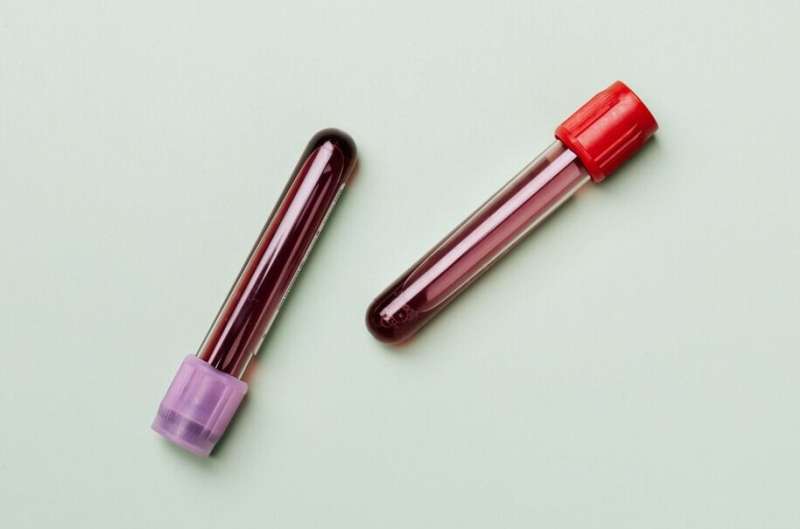
Credit: Karolina Grabowska from Pexels
It's increasingly common to see headlines and social media conversations about therise in colorectal cancer among younger adults. In fact, the growing incidence of colorectal cancer in people under age 50 helped drive the American Cancer Society's 2018 decision to recommendlowering the recommended agefor average-risk screening from 50 to 45.
Riding on the momentum of increasing public awareness of colorectal cancer, the society has now releasedupdated screening guidelinesin May 2026 to include new tests that reflect the latest science and could improveaccess to care.
I am apublic health researcherwho has spent nearly 20 years developing colorectal cancer prevention programs and studying ways toimprove screening guidelines. Offering more options for screening can help detect cancer earlier or prevent it altogether.
What's new in the updated screening guidelines?
The updated guidelines have addedtwo additional screening options.
The first option is anat-home screening testthat checks stool samples for hidden blood and other molecular markers that may indicate the presence of colorectal cancer. The guidelines recommend taking these tests every three years.
The other option is a blood-based screening test that can be done at a doctor's office. Patients who refuse a colonoscopy or a stool-based screening test can choose this test.
Notably, the updated guidelines still offer patients a choice between a stool test and a direct visual exam—such as a colonoscopy—as the primary screening methods.
It is also still recommended that adults with an average risk of colorectal cancer shouldstart screening at age 45, and keep getting screened until age 75 or, if recommended by a doctor, beyond that.
Which colorectal cancer screening test is better?
For people with a family history of colorectal cancer orgenetic or hereditary syndromes—or signs and symptoms of colorectal cancer, such as blood in the stool—acolonoscopy is the only recommended test.
If you are age 45 and at average risk, your doctor may recommend the stool tests and blood tests. Because these are new options, however, many doctor's offices may not be immediately offering the tests.
Ultimately, the best test is the one that gets done.
Can I do a blood or stool test instead of a colonoscopy?
Colonoscopy remains the preferred screening testfor colorectal cancer. It's the only option for those experiencing signs and symptoms of colorectal cancer, and it's the recommended test for those who are at increased risk. Those with an average risk may still be recommended to receive a colonoscopy.
Stool tests do not require the same amount of preparation as a colonoscopy and are widely used. The newstool tests have evolved in their abilityto detect polyps andabnormal cellsin samples.
The new blood tests are recommended only if a patient refuses a colonoscopy or a stool test. It is important to note the newblood tests are not as sensitiveas the other tests for preventing cancer, though science is advancing to provide more options.
Bottom line (pun intended): A colonoscopy will also be required if a stool or blood test results in a positive or abnormal finding.
What are early symptoms of colon cancer?
There are often no early signs or symptoms of colorectal cancer, so starting screening at age 45 is a must, especially if you have a family history or genetic risk of developing colorectal cancer.
Common symptoms of colorectal cancerinclude blood in the stool, change in bowel habits or stool, pain, or unexplained weight loss of 10 or more pounds.
If you notice these symptoms, regardless of your age, talk to your doctor and consider requesting a colonoscopy.
How can I reduce my risk of colon cancer?
Toreduce your risk of colorectal cancer, people who are at average risk of the disease should begin screening at age 45.
Pay attention to your body. Note any concerning changes or symptoms, and have open conversations with your health care provider.
Healthy lifestyle choicescan also help reduce your risk of colorectal cancer. This includes at least 30 minutes of physical activity each day, eating a balanced diet rich in fruits and vegetables and limiting processed foods. Reducing youralcohol intakeand avoiding smoking and vaping can also lower your risk of colorectal and other cancers.
This article is republished fromThe Conversationunder a Creative Commons license. Read theoriginal article.
Key medical concepts Colorectal Cancer Colonoscopy Hematochezias







Post comments