




































by Carol Peters
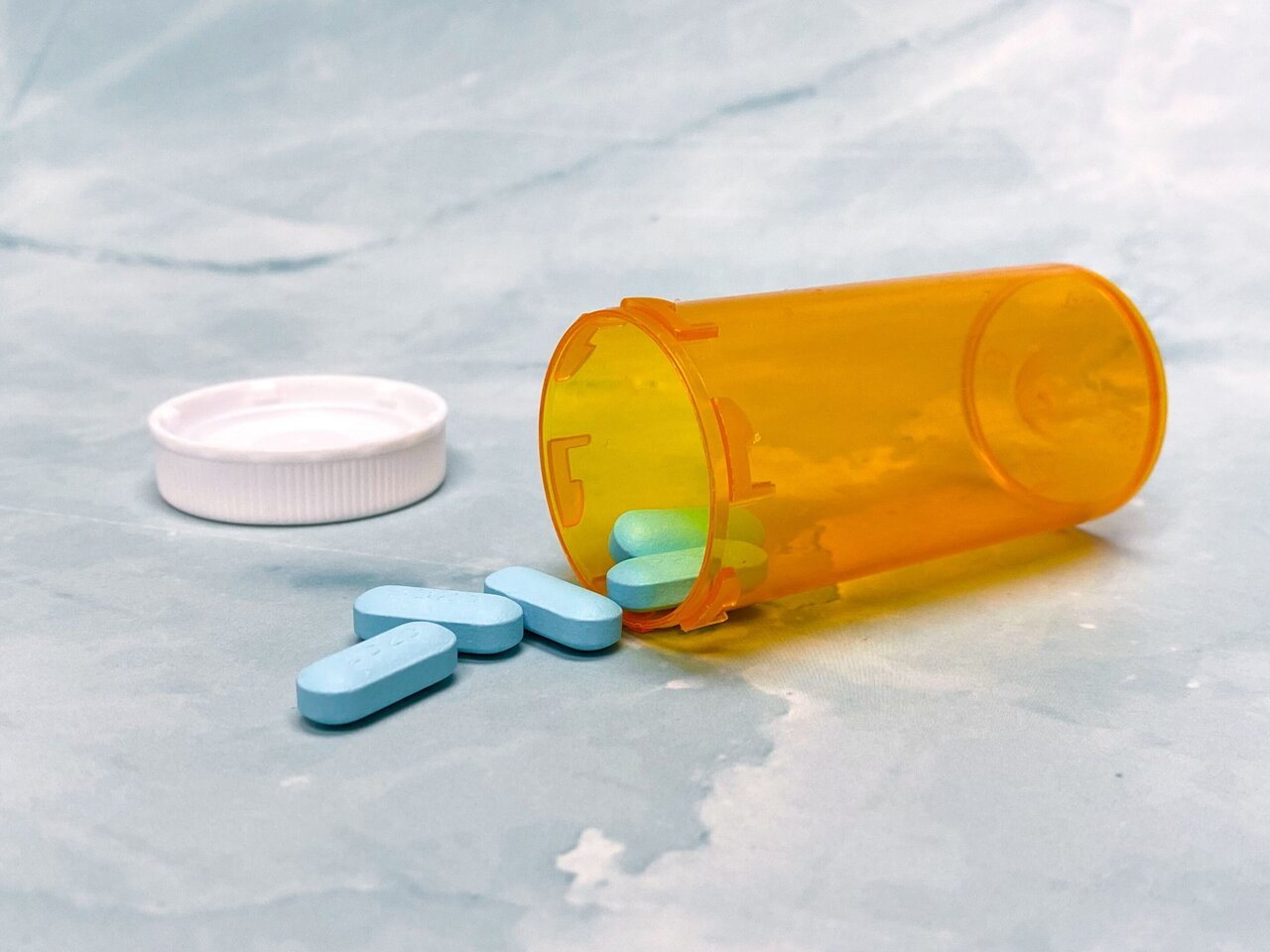
Credit: Etatics Inc. from Pexels
Fear of accusations of infidelity, the stigma surrounding HIV and concerns about causing conflict in a relationship might deter some Black women from using PrEP, a prescription medicine used to prevent HIV, according to a study led by Rutgers researchers.
The paper published in Health Communication and led by Maria Venetis and Shawnika Hull, both professors at the Rutgers School of Communication and Information, underscores a need for communication support, as the HIV prevention medication is critical to efforts to end the epidemic.
Pre-exposure prophylaxis (PrEP) is an effective, easy-to-take HIV prevention medication available as a daily pill or injection and the first and only form of HIV prevention that can be both woman-controlled and discreet, the researchers said.
But the researchers found that concerns about a partner's perceptions or lack of support may deter women from taking PrEP.
"Male partners' approval or disapproval of PrEP use is a highly salient factor in Black women's uptake," Hull said. "Many Black women would seek their partners' endorsement. Previous research has demonstrated, and a crescendo of social scientific voices have pointed out, that although PrEP can be used autonomously and discreetly, women seek the support of their partners, peers and clinicians."
The researchers aimed to address how women may anticipate their partners' responses to a disclosure of their intentions to use PrEP, which might dissuade them from taking the medication.
The Foundation for AIDS Research in 2006 reported that an estimated 1.2 million people were living with HIV in the United States. In 2024, the Kaiser Family Foundation found that though Black women represent 13% of the population of women, nearly 50% of HIV acquisitions among women occur in Black women.
The researchers said a focus on HIV prevention that is responsive to the needs and experiences of Black women is imperative if the goal of ending the epidemic is to be realized. They collaborated with The Women's Collective, a community-based organization in Washington, D.C., focused on supporting Black women's HIV prevention and treatment, and interviewed 30 adult, sexually active, low-income Black cisgender women.
An analysis of the interviews showed that some of the study participants reported they would tell their partners directly. Some respondents anticipated positive outcomes from their disclosure.
Other participants said they anticipated negative emotional reactions from their partners and possibly conflict (their partner might assume they already have HIV) or accusations (their partner might suspect infidelity) because of this disclosure.
Some other participants said they would take PrEP without informing their partners, which would constitute a violation of trust in the relationship. However, not disclosing their decision to take this medication could potentially create additional relationship challenges, the researchers said.
"Some Black women may choose not to disclose, but PrEP involves not only a daily pill, but also regular HIV testing and other lab tests that require routine visits to the doctor and use of health insurance," Hull said. "Thus, there are logistics involved with PrEP adherence, and there is a paper trail in the form of explanations of benefits, creating concrete discoverable evidence of PrEP use."
Venetis said more research is needed to better understand the dynamics of PrEP disclosure between couples, as well as couples-focused research and communication efforts to support HIV prevention that include PrEP.
"Future research should focus on communication skills and self-advocacy to support PrEP communication between couples," Venetis said.
"This recommendation is further underscored by our finding that some Black women who anticipate a negative response from their partners will persist in either pursuing the conversation or pursuing PrEP anyway, even at the expense of the relationship," Hull added.
More information: Maria K. Venetis et al, Black Women's Disclosure Reasons, Anticipated Response, and Strategies When Discussing PrEP Uptake with Partners, Health Communication (2026). DOI: 10.1080/10410236.2026.2709696
Provided by Rutgers University
Source: MedicalXpress
Original article: https://medicalxpress.com/news/2026-10-prep-pill-hiv-partner-reactions.html







Post comments