




































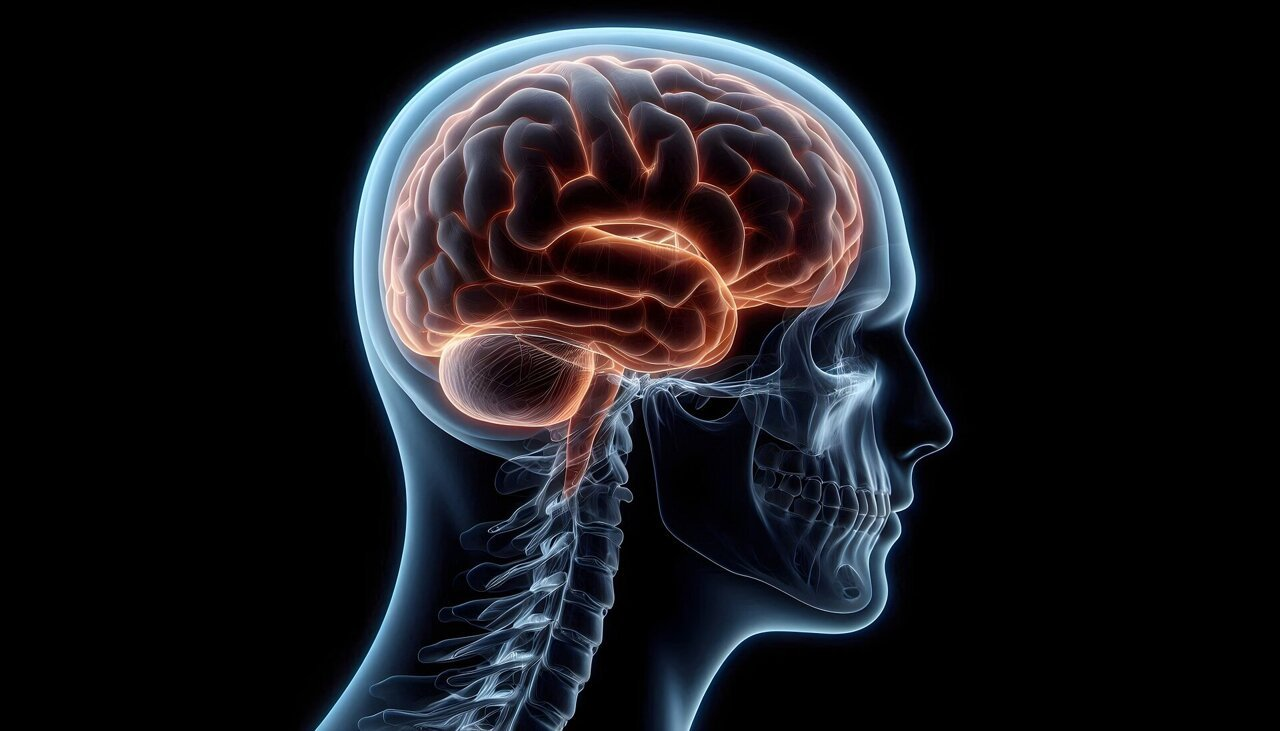
Credit: Pixabay/CC0 Public Domain
Chronic pain can continue long after an initial injury. When a nerve outside the brain and spinal cord (a peripheral nerve) is damaged and does not heal properly, it keeps sending constant pain signals. Over time, this nonstop bombardment of pain signals changes how your spinal cord and brain process information as sensory and emotion-associated circuits become hyperreactive, turning up the volume on pain.
Current pain treatments do not work well for everyone and can cause significant side effects. Painkillers like morphine just hide the pain, but researchers at Boston University Chobanian & Avedisian School of Medicine have identified the underlying problem.
RGS4 keeps sensory nerves sensitive
They found that when they blocked a protein called RGS4 in the dorsal root ganglia innervating the lumbar spinal cord in an experimental model, the nervous system returned to a calm, normal state. The findings appear in the journal Science Signaling.
"Our findings suggest that one reason pain may become chronic is that sensory nerves themselves undergo molecular changes that keep them unusually sensitive," explains corresponding author Venetia Zachariou, Ph.D., Edward Avedisian Professor and chair of the department of pharmacology, physiology and biophysics at the school.
"By reducing RGS4 activity, our models were allowed to recover from abnormal pain sensitivity, while increasing RGS4 could make otherwise uninjured models more sensitive to pain. Importantly, the main players that control the maintenance of chronic pain in experimental models are expressed in human nerve tissue as well, suggesting that RGS4 could work the same way in people."
The team used several groups of experimental models in which they could either remove RGS4, reduce it specifically in sensory nerve cells or increase its levels. They then tested the functional consequences of chronic pain conditions, including peripheral nerve injury, postoperative pain, inflammatory pain and chemotherapy-induced nerve damage.
Targeting pain persistence outside the brain
According to the researchers, the long-term clinical implication is that it may be possible to develop treatments that interrupt the biological processes that cause pain to persist, rather than simply reducing pain signals after chronic pain has already developed. Because the pathway they identified can be manipulated in sensory nerve cells outside the brain and spinal cord, it may also provide opportunities to develop more targeted treatments while potentially limiting effects elsewhere in the nervous system.
The researchers believe understanding the detailed mechanisms that control the transition from acute to chronic pain and the maintenance of chronic (pathological) pain would be essential to guide the development of effective and safer medications. "Rather than simply masking pain after it becomes chronic, we hope this work contributes to therapies that interrupt the biological processes that cause pain to persist in the first place," says Zachariou.
More information: The Gα-interacting protein RGS4 in dorsal root ganglia maintains molecular and behavioral maladaptations in murine pain models, Science Signaling (2026). DOI: 10.1126/scisignal.aed7175
Provided by Boston University School of Medicine
Source: MedicalXpress
Original article: https://medicalxpress.com/news/2026-10-blocking-nerve-protein-chronic-pain.html








Post comments