





























bySociety for Neuroscience
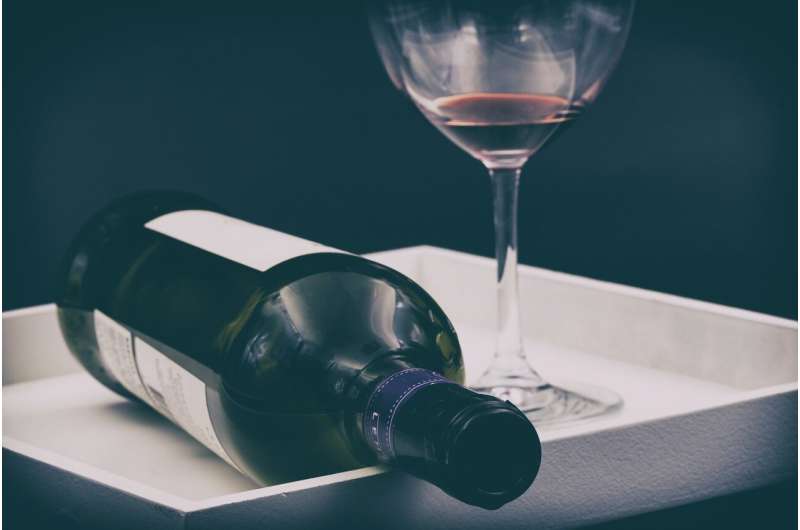
Credit: Pixabay/CC0 Public Domain
A psychedelic found in mushrooms is emerging as a potential treatment for alcohol use disorders. This possibility is due to a compound the body converts the psychedelic into called psilocin, but psilocin's mechanisms remain unclear.
Researchers, led by Sarah Magee and Melissa Herman at University of North Carolina at Chapel Hill, explored whether psilocin targets neurons in the central amygdala involved inemotional processingand stress to alter alcohol use in theirJNeuroscipaper.
Herman emphasizes that preclinical work like this is necessary for filling gaps in knowledge about drug mechanisms, especially in the field of psychedelic research.
Focusing onfemale micebecause they drink more alcohol thanmale mice, the researchers discovered that psilocin dampened the activity of these neurons following long-term alcohol exposure. This decrease in activity was associated with less alcohol drinking during drug exposure, though drinking was restored in later sessions.
These observations also occurred in mice with less severe alcohol exposure, supporting clinical work showing that psychedelics may help improve issues with emotional processing and stress across a range of psychiatric disorders.
According to the researchers, these findings may shape interpretations of clinical studies on psychedelic treatments. Elaborating on their findings, Herman says, "It makes sense that dampening this neuron population reduces drinking because increased activity in these neurons is associated withalcohol usedisorders. Theseneuronsalso play a role in depression and anxiety, which psychedelics are also showing promise at treating, so our work provides some mechanistic insight in those contexts, too."
More information: The Psychedelic Psilocin Suppresses Activity of Central Amygdala Corticotropin Releasing Factor Receptor 1 Neurons and Decreases Ethanol Drinking in Female Mice, JNeurosci (2025). DOI: 10.1523/JNEUROSCI.0652-25.2025 Journal information: Journal of Neuroscience
Provided by Society for Neuroscience







Post comments