




































by Taylor Thomas,George Mason University
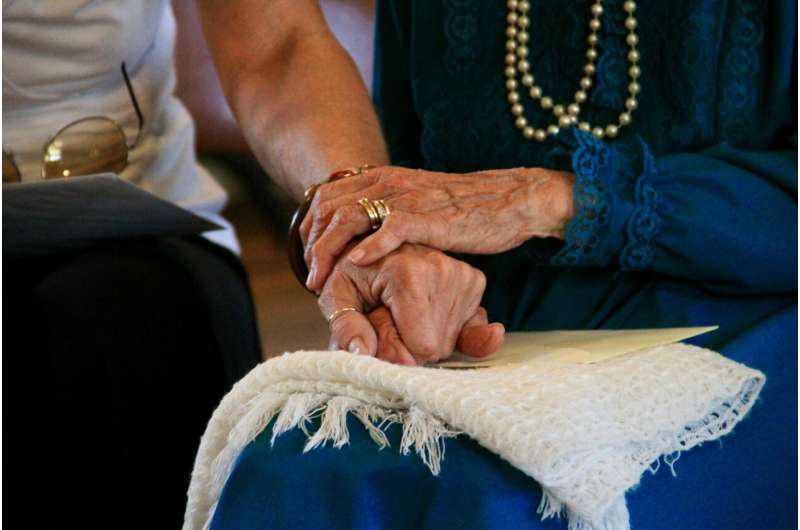
Credit: Unsplash/CC0 Public Domain
Digital technology is ever-present in how we operate in daily life, particularly to connect with others. While touted as a suitable alternative in place of in-person interactions, it has previously been unclear if the same benefits extend to persons living with dementia and their caregivers.
Findings from research by Assistant Professor of Social Work at George Mason University Li-Mei Chen, a gerontologist specializing in dementia care and digital health, indicate thattechnology-enabled interventionscan meaningfully support persons living with dementia and their caregivers by improving self-efficacy, emotional well-being, social connectedness, and care coordination.
The research,"Technology that Supports Extending Dementia-Friendly Community-Based Care: A Scoping Review,"was published inCurrent Geriatrics Reports.
This novel scoping review analyzed 27 studies on technology-based interventions that support aging in place (i.e., older adults remaining in their homes as they age) for persons living with dementia.
Unlike prior reviews that focused on single technologies (e.g., robotic pets, telehealth, apps), this study maps how multiple intervention types function together to support aging in place.
Chen systematically classified dementia-related digital interventions using theWorld Health Organization Digital Health Interventionframework and analyzed equity gaps and social determinants of digital access. She also highlights the lack of culturally adapted or inclusive digital dementia care where persons living with dementia contribute to the design of the technology.
More information Li-Mei Chen et al, Technology that Supports Extending Dementia-Friendly Community-Based Care: A Scoping Review, Current Geriatrics Reports (2025). DOI: 10.1007/s13670-025-00446-x









Post comments