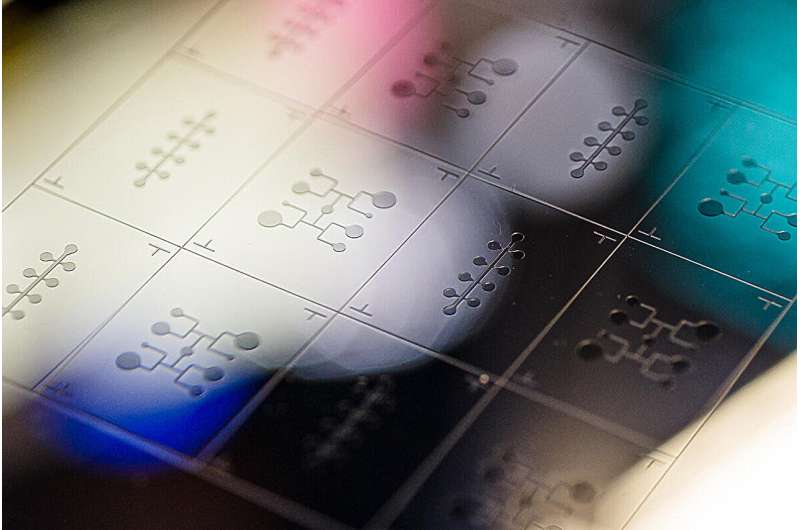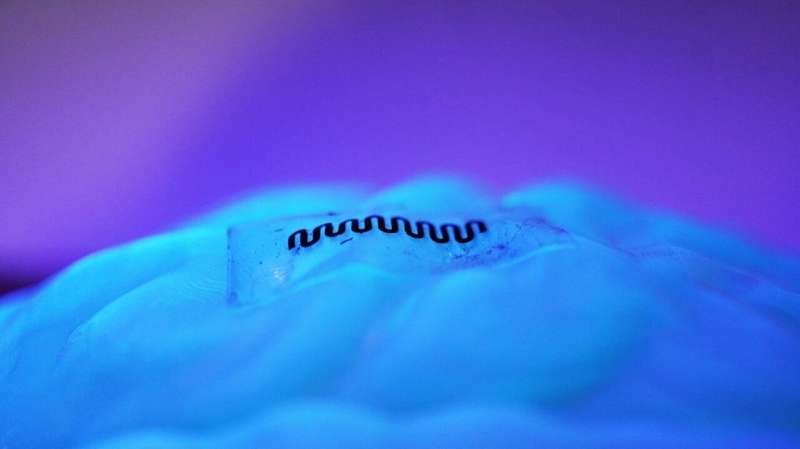






























by Mathew Burciaga,University of California - BerkeleyA prototype wafer shows various configurations that the Stahl lab tested before settling on their current design. Credit: UC Berkeley photo by Mat
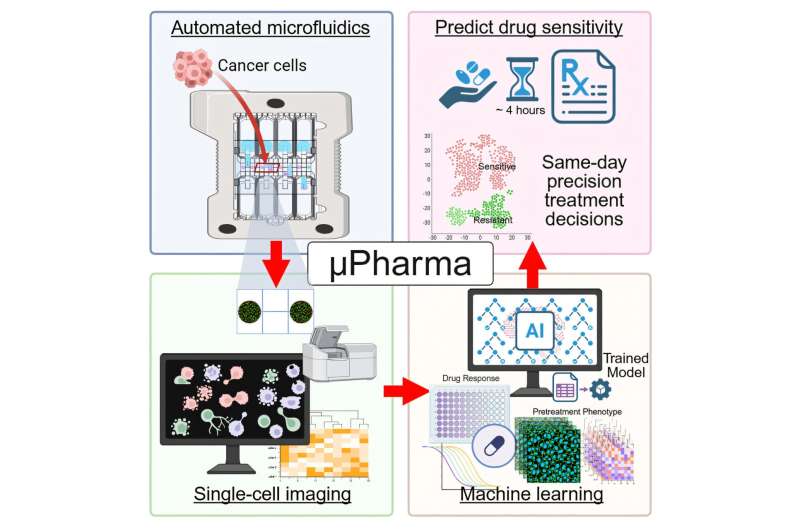
by Heather Simonsen,Huntsman Cancer InstituteGraphical abstract. Credit:Med(2026). DOI: 10.1016/j.medj.2025.100966Scientists at the University of Utah (the U) have developed a new "lab-on-a-chip&
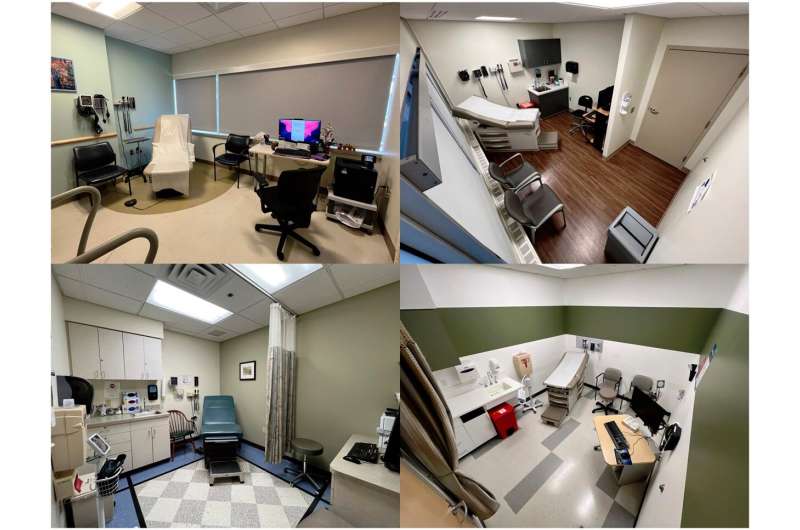
byUniversity of PennsylvaniaA sample, anonymized recording from the Observer dataset. Credit: Artificial Intelligence for Ambulatory Care Innovation (AI-4-AI) Lab, Penn Sample room configurations of p
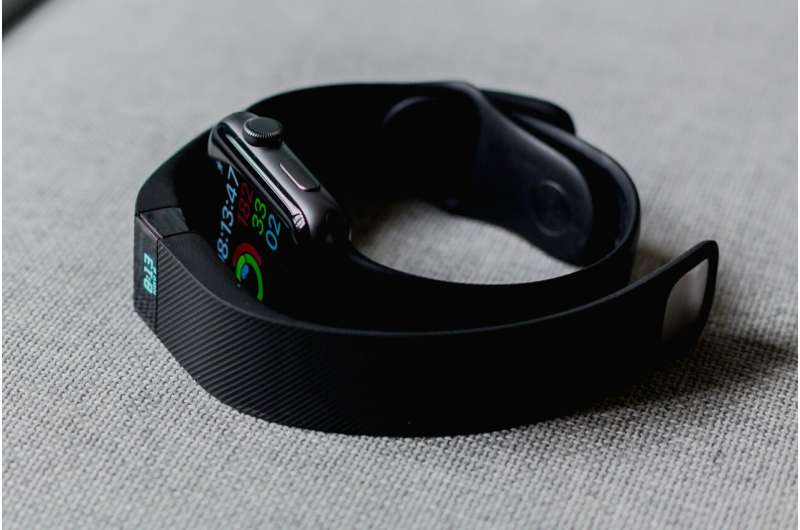
byMayo ClinicCredit: Unsplash/CC0 Public DomainSleep data captured with a wearable device could help clinicians better tailor care by identifying patients with chronic obstructive pulmonary disease (C
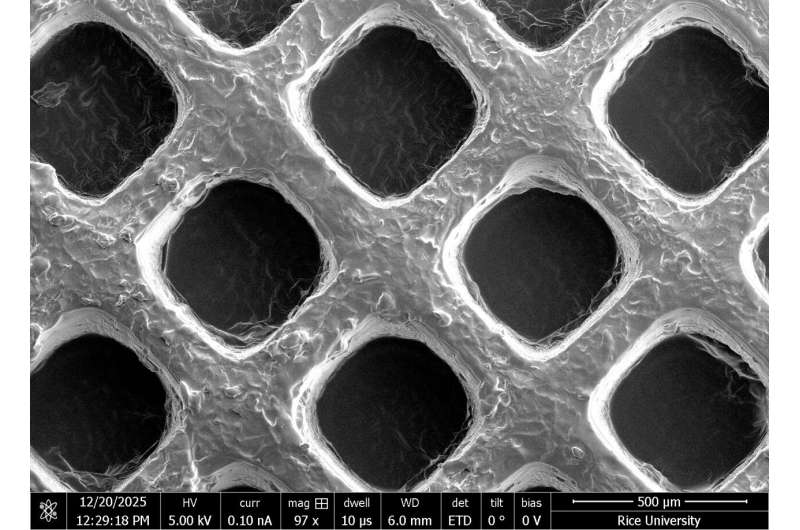
by Silvia Cernea Clark,Rice UniversityElectron microscopy image of blank printed wells, viewed from the top. Credit: Alexandria Carter / Rice UniversityMetastasis, the spread of cancer from a primary
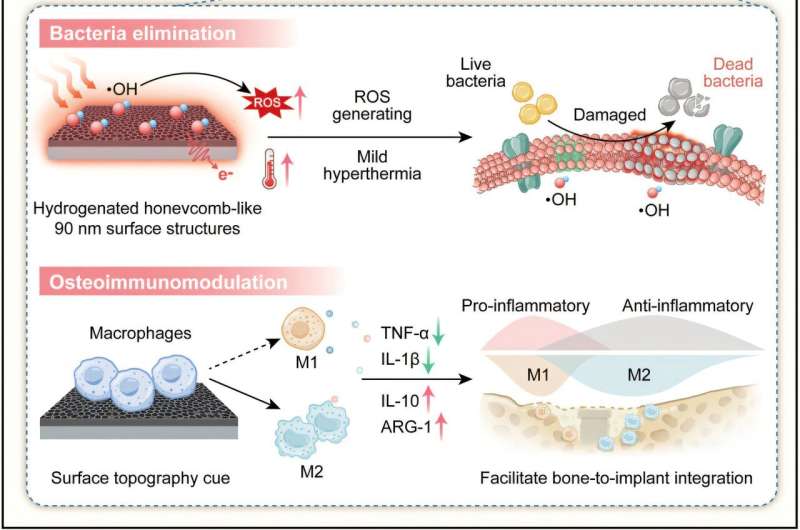
byThe University of Hong KongCredit:Cell Biomaterials(2025). DOI: 10.1016/j.celbio.2025.100213A research team from the Department of Orthopedics and Traumatology, School of Clinical Medicine, LKS Facu
by Louise Lerner,University of ChicagoA new study from the University of Chicago shows how an ingredient from lithium batteries could form the foundation of treatments for pain relief or other disorde
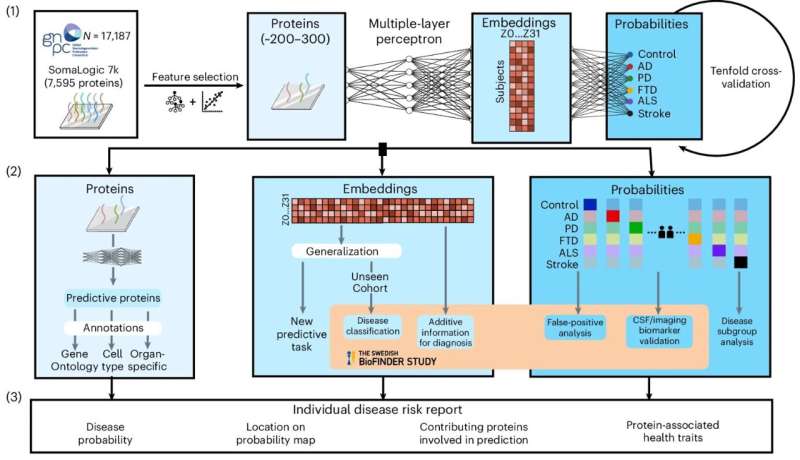
by Martina Svensson,Lund UniversityWorkflow of ProtAIDe-Dx on GNPC. Credit:Nature Medicine(2026). DOI: 10.1038/s41591-026-04303-yThe symptom profiles of different neurodegenerative diseases often over
by Latha Devi,Rutgers UniversityCredit: Pixabay/CC0 Public DomainWhat happens in the brain when someone witnesses toxic behavior in the workplace? Researchers at Rutgers Business School, in a first-ti
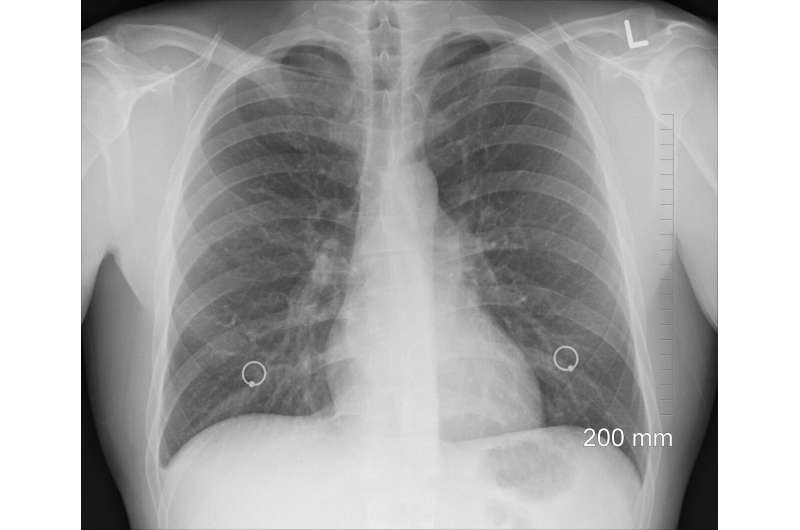
byHinda and Arthur Marcus Institute for Aging ResearchCredit: Pixabay/CC0 Public DomainArtificial intelligence may be able to reveal how fast your body is aging by analyzing a chest X-ray, according t
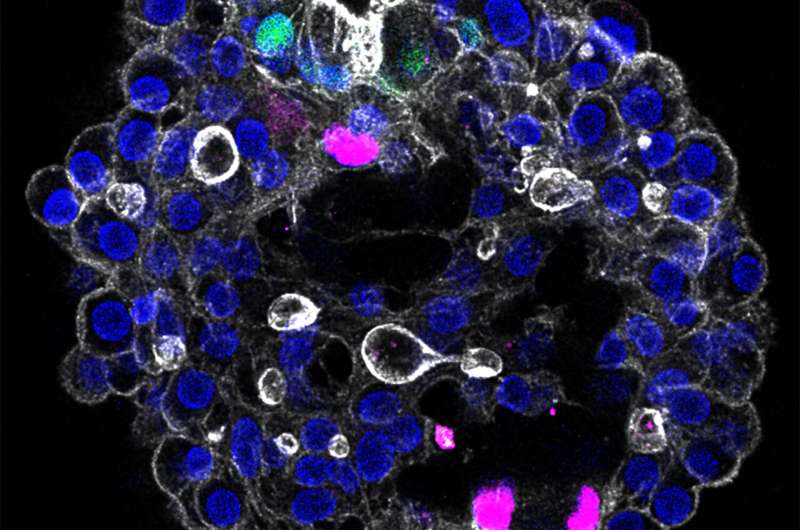
byMax Planck SocietyHuman periportal assembloid, showcasing the three key cell types of the liver: portal fibroblasts (magenta), cholangiocytes (green), and hepatocyte nuclei (blue). All cell borders