




































by Heather Simonsen,Huntsman Cancer Institute
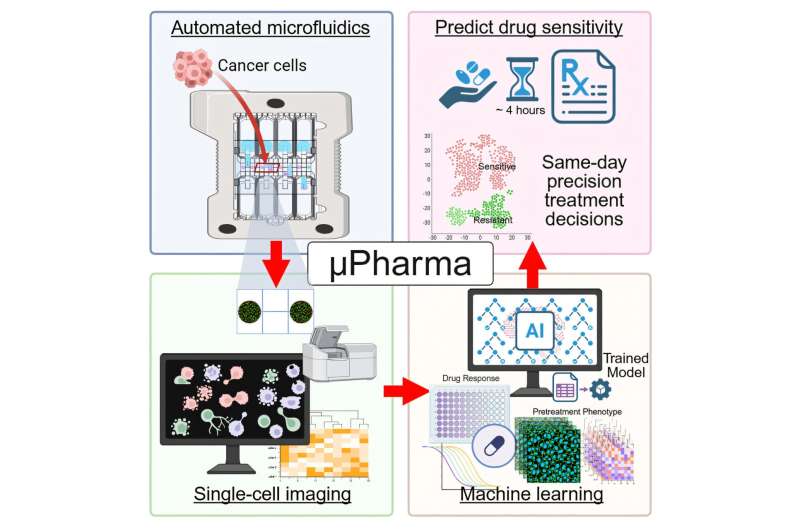
Graphical abstract. Credit:Med(2026). DOI: 10.1016/j.medj.2025.100966
Scientists at the University of Utah (the U) have developed a new "lab-on-a-chip" device that uses artificial intelligence to rapidly predict cancer cell sensitivity to targeted therapies for children with T-cell acute lymphoblastic leukemia (T-ALL), an aggressive and difficult-to-treat cancer.
A faster path to precision care
Researchers say the tool, which is not yet used in clinical settings, may help reduce unnecessary treatments and side effects by quickly identifying which therapies a patient's cancer cells are sensitive to. The device, called μPharma, delivers results in under four hours rather than many days—offering a potential pathway to same-day precision medicine when every minute counts.
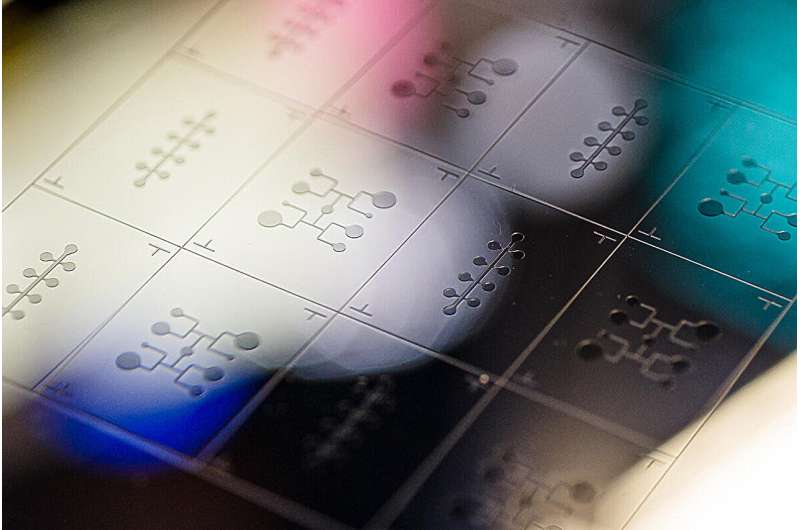
The platform identifies a patient's drug-response profile without directly exposing the patient's cancer cells to drugs. Usingdigital microfluidicsto move tiny droplets across the chip and automate the labor-intensive liquid-handling steps, it reduces the number of cells and reagents required, minimizes human error, and speeds up the process. Reagents are substances or compounds added to a system to trigger a chemical reaction or test the presence of other substances.
T-ALL is a challenging subtype of acute lymphoblastic leukemia, the most common childhood cancer. While complete remission rates have improved, many survivors experience long-term effects from intensive chemotherapy.
Rapidly determining drug response could help clinicians personalize treatments sooner, reducing exposure to ineffective therapies and side effects. For these patients, quickly identifying the most effective treatment can be lifesaving.
Why real-time treatment selection matters
"Innovation in treatment selection is a pressing need within pediatric malignancies," says Luke Maese, DO, pediatric oncologist at Huntsman Cancer Institute and associate professor of pediatrics at the U. Maese treats children with leukemia who could benefit from advancements like μPharma.
"Personalized treatment selection accomplished in 'real-time' will be part of the future of cancer therapeutics, and μPharma represents an encouraging step in that direction."
In a studypublished inMed,scientists also demonstrated that μPharma accurately predicted responses to twotargeted therapiescurrently being investigated for T-ALL—dasatinib and venetoclax—and revealed a previously unrecognized link between drug response and a key molecular marker for T-ALL.
"Our team has worked hard to develop this technology, and seeing it perform well is a key step toward bringing it into the clinic to help patients," says Yue Lu, Ph.D., an investigator and member of the Experimental Therapeutics Program at Huntsman Cancer Institute and assistant professor of molecular pharmaceutics at the U.
The project is a collaboration between Lu and Alphonsus Ng, Ph.D., assistant professor of biomedical engineering at the U and co-leader of the DigiPharma laboratory, along with researchers at St. Jude Children's Research Hospital and the University of Pennsylvania.
Zooming in on single cancer cells
The platform can detect differences indrug susceptibilityat the level of individual cancer cells. This is important because if a particular drug is effective for some, but not all, the patient's cancer cells, the surviving cancer cells could bounce back.
By analyzing drug response at the single-cell level, it could help doctors identify medications that target every part of a patient's cancer, potentially improving long-term outcomes.
"If we can rapidly and accurately monitor the sensitivity of cancer cells and tailor treatment appropriately, we believe it can significantly improve outcomes," says Ng. "The next step is validation of this technology using primary leukemia cells in a realistic clinical environment."
How the μPharma device works
A clinician would place a small sample of a patient's cancer cells into the device. Inside, the cells are held between two plates that are spaced just wider than the thickness of a human hair. Electric currents precisely move tiny droplets of chemicals to and from the cells, fully automating lab processes that are usually time- and labor-intensive.
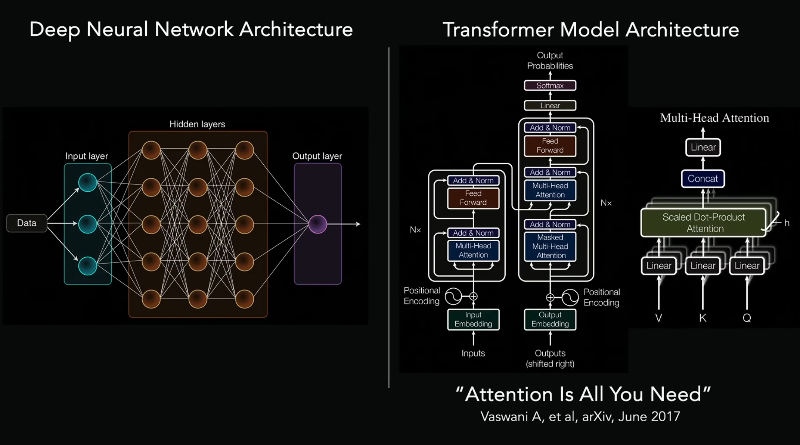
This approach makes key molecules linked to drug susceptibility visible inside the cells. Amachine learning modelthen examines these molecules, their locations within cells, and cell shape to predict which drugs may be effective for each patient.
Reflecting on the potential for safer, more precise care, Makala Pace, PharmD, BCOP, MBA, pharmacy director at Huntsman Cancer Institute acknowledges the immense benefits μPharma could bring.
She notes, "A tool that can predict drug response in hours and help clinical teams prioritize therapies with the best chance of benefit—while streamlining care and minimizing unnecessary toxicity for our youngest cancer patients—is exactly the kind of precision we strive for in oncology pharmacy practice."
Publication details Huiqian Hu et al, μPharma: A microfluidic, AI-driven pharmacotyping platform for single-cell drug sensitivity prediction in leukemia, Med (2026). DOI: 10.1016/j.medj.2025.100966 Journal information: Med







Post comments