


































by Sanjukta Mondal
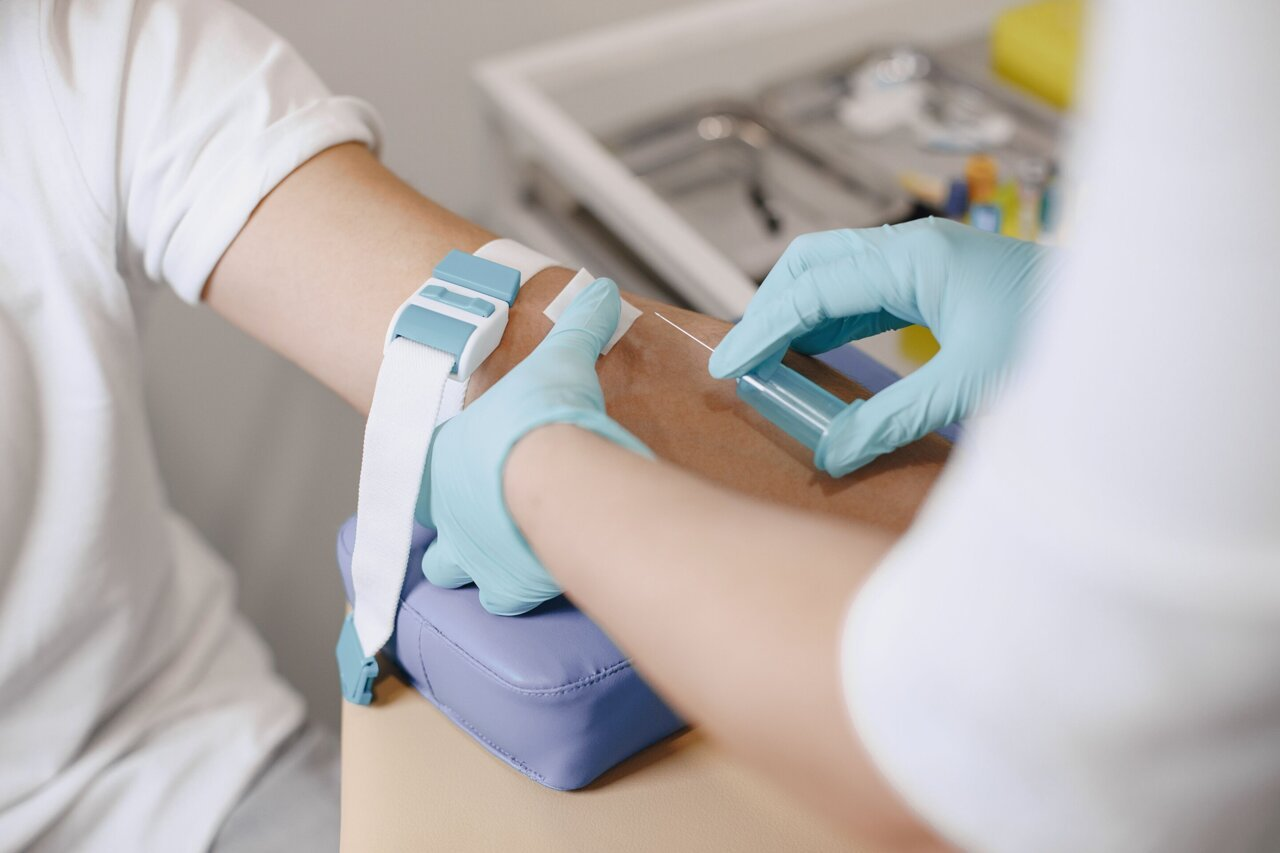
Researchers found that most routine laboratory results were minimally affected by fasting duration. Credit: Pexels.
Even a routine blood test may come with an overnight fasting requirement. Many medical practices still ask patients to go without food for 8–12 hours before blood is drawn. While the protocol was originally recommended for glucose and lipid testing, over time, it became the default requirement for almost all routine blood panels. Why it is still followed for such a broad range of routine lab tests is a question that researchers from South Korea asked in a recent study.
The team set out to determine whether fasting is really necessary before routine blood tests and whether the length of the fast actually matters. They analyzed millions of test results from routine blood work collected from 101,148 adults.
For most tests, it made little clinical difference whether patients had fasted for a few hours or much longer. Only a handful showed meaningful changes. Blood glucose, triglycerides, liver enzymes and lipase were noticeably higher when patients had fasted for less than 8 hours.
The findings are published in JAMA Internal Medicine.
Why fast before a test?
Lab tests act as the guiding light for many diagnoses. They also help monitor existing conditions while raising red flags regarding one's risk of developing a disease or condition in the future. Eating is one of many factors that can affect blood test results. Since it is also the most easily controllable, fasting for somewhere between 8 and 12 hours has become a norm for blood tests across the globe. However, people spend most of their day in a nonfasting state, so nonfasting tests better represent their habitual physiology.
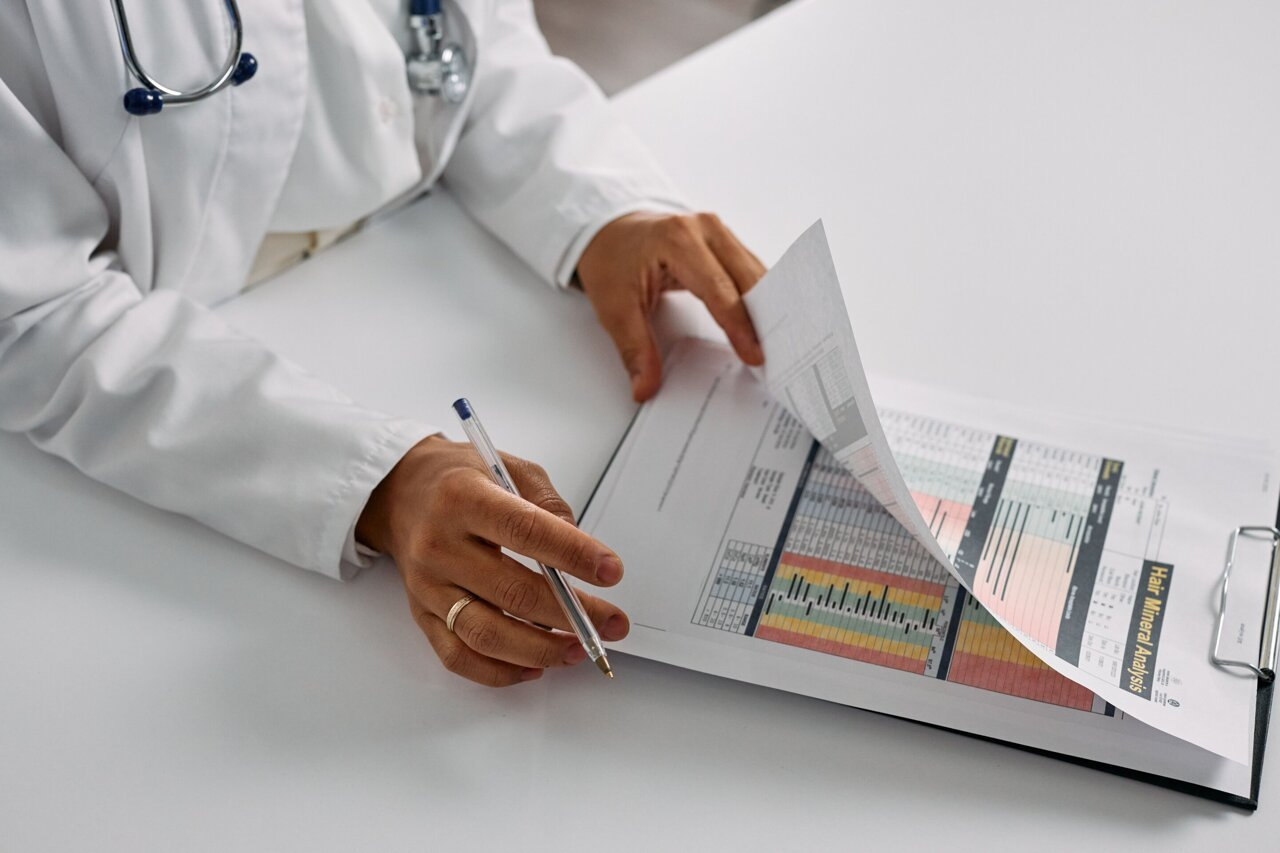
Fasting duration affected test results on a few tests including glucose, triglycerides, γ-glutamyl transferase, and lipase. Credit: Pexels.
Fasting also creates logistical and clinical challenges for both patients and laboratories. Patients may be unable to get blood tests done on the same day they are ordered, requiring a separate visit. Early-morning fasting blood draws can also create a rush at hospitals and laboratories. Unless fasting provides a clear clinical advantage for a particular test, these costs may outweigh the benefits of routinely requiring it.
Existing evidence on tests performed after fasting is heavily dominated by cholesterol and triglyceride testing, leaving very little data for other tests. To fill this gap, researchers designed this study as a large-scale retrospective analysis of real-world hospital data. They screened nearly 10 million test results collected from 670 hospitals in South Korea.
Based on the time since the last meal documented by the phlebotomist, the team divided the patients into three main fasting-duration categories: less than 8 hours, 8–12 hours and more than 12 hours. Using statistical models, they compared average test results across the three fasting groups. To rule out differences in patients' health as the cause, they compared the same people across separate visits, each with a different fasting duration.
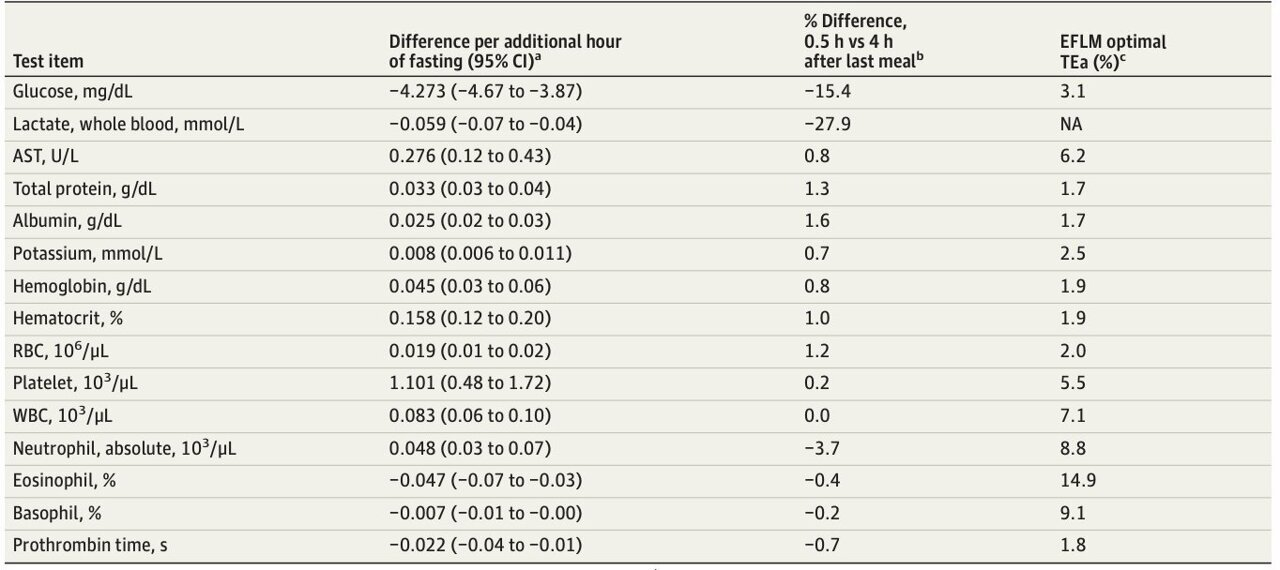
Laboratory tests showing linear associations with fasting duration within the subgroup fasting less than 8 hours. Credit: JAMA Internal Medicine (2026). DOI: 10.1001/jamainternmed.2026.4718
Does fasting help?
Blood counts, kidney function markers, electrolytes and most liver enzymes gave the same results no matter how long patients had fasted.
Across 121 routine laboratory tests, only a handful needed fasting to be accurate.
In the paired within-person comparisons, only 10 tests showed differences large enough to exceed clinical error thresholds. With fasting under 8 hours, blood glucose was 10.8% higher, triglycerides were 20.1% higher and lipase, a pancreatic digestive enzyme, was 36.4% higher. Glucose then dropped steadily, by about 4.3 mg/dL for each additional hour of fasting.
They also found that whether patients fasted for 8–12 hours or longer than 12 hours made no clinically meaningful difference to any of the test results. Extending the fast beyond 12 hours did nothing for the accuracy of test results and instead caused unnecessary discomfort for patients.
Based on these results, researchers proposed replacing a one-size-fits-all fasting rule with test-specific requirements, since fasting duration mattered for only a handful of tests. To ensure these findings hold water beyond the South Korean population, further research involving more diverse populations is required before clinical standards can be redefined.
More information: Sunghwan Shin et al, Fasting Duration and Differences Across Routine Laboratory Tests, JAMA Internal Medicine (2026). DOI: 10.1001/jamainternmed.2026.4718
Liv Tybjærg Nordestgaard et al, Time to Stop Fasting Before Blood Sampling, JAMA Internal Medicine (2026). DOI: 10.1001/jamainternmed.2026.4726
© 2026 Science X Network
Source: MedicalXpress
Original article: https://medicalxpress.com/news/2026-10-fast-blood.html








Post comments