




































by Belinda Thompson, Louise Koelmeyer,The Conversation
Credit: Pixabay/CC0 Public Domain
Did you know your body has an inbuilt sewerage system? It's called the lymphatic system, and is acrucial partof how your body fights infection and disease. Lately, the lymphatic system is causing a stir online, with some social media personalities promoting "lymphatic drainage" for beauty and skin health.
So what is lymphatic drainage? And is it backed by science?
What does the lymphatic system do?
The lymphatic system is a network of tiny vessels that, like your blood vessels,branch outto most tissues in the human body.
These vessels carry lymph, acolorless fluidthat contains specialized white blood cells known as lymphocytes. Lymphocytes help the body fight infection.
Unlike blood, which circulates around your body in a loop, lymph moves in one direction. It starts off as extra fluid in the tissues in your body, which is then picked up by lymphatic capillaries. From there it travels through to larger lymph vessels and nodes, before draining back into the bloodstream.
The lymphatic system has three main jobs:
When something's wrong
If the lymphatic system is not working properly, the affected body part can start to swell. This swelling is known aslymphedema, and most commonly affects the arms or legs.
There aretwo main typesof lymphedema.
Primary lymphedema occurs when the lymphatic system does not develop properly. This may be due to agenetic conditionwhich impacts the number of lymphatic vessels you have, or their ability to pump fluid. Primary lymphedema may be present from birth, or may develop during puberty or in adulthood.
Secondary lymphedema occurs when the lymphatic system is damaged in some way. Acommon causeof secondary lymphedema is cancer. This is becausecancer treatmentmay involve surgically removinglymph nodesor unintentionally damaging them with radiation therapy.
Lymphedema is a sign your lymph fluid isn't draining properly. To keep things moving, your body pushes lymph into the tiny lymphatic capillaries near your skin. It's similar to a traffic jam, where cars need to leave the highway to drive on backroads. However, these backroads soon become congested because they aren't designed to handle that much traffic.
A special type of imaging known asindocyanine green lymphographycan test whether your lymphatic system is congested. If your limbs show signs of persistent swelling, your GP will first assess the swelling to rule out other common causes.
If they suspect lymphedema is the cause, they can refer you to a lymphedema specialist whomay requestindocyanine green lymphography to help with diagnosis and/or treatment.
People with lymphedema may also be more vulnerable to infections because their lymphatic system isn't working as it should. A common and potentially serious one iscellulitis, a bacterial skin infection which can leave you with red, swollen skin.
What is 'lymphatic drainage'?
The maintreatment for lymphedemais compression. This involves using medical stockings or bandaging to apply pressure to the swollen body part. This helpsmove excess fluidfrom the affected area while also softening any hard, swollen tissue.
Exercise and skincare may also help treat lymphedema. When your muscles contract during exercise, they act like a pump and help move fluids—such as lymph—around the body. Daily skincare, which may involve washing with a pH-neutral soap and applying moisturizer, is important for keeping the skin clean and well-moisturized. It alsohelps preventcracks and infections, which might make lymphedema worse.
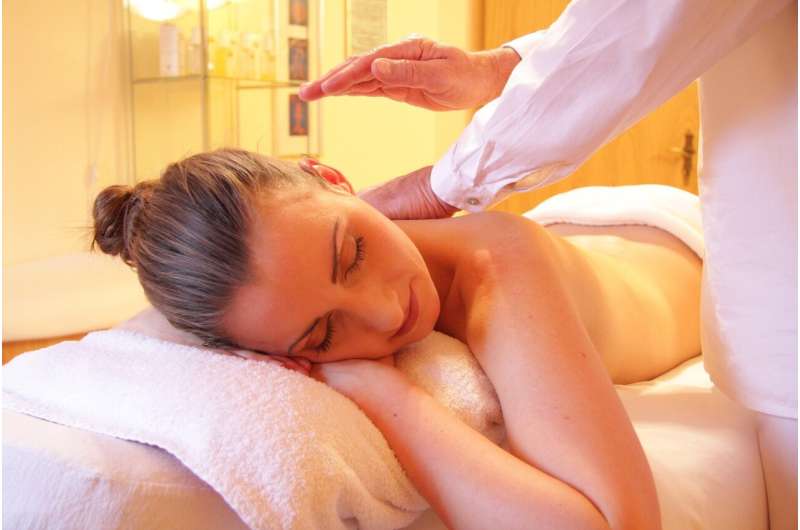
Some people with lymphedema may benefit frommanual lymphatic drainage. This usually involves a trained lymphedema practitioner using specialized massage techniques that help move fluid out of congested areas. This ensures your body drains lymph fluid if, for some reason, it can't do so properly by itself.
However, there'slittle evidencethat manual lymphatic drainage alone treats lymphedema in any significant or lasting way. This is also the case with claims—mainly circulated onsocial media—that manual lymphatic drainage can make your skin healthier and more beautiful.
The research here iseven more limited, and any potential benefits are likely to be small or short-lived.
The bottom line
If your lymphatic system is healthy and you don't have any swelling, you probably don't need "lymphatic drainage." To keep your lymphatic systemworking well, it's best to have a balanced diet, stay hydrated and exercise regularly.
If you do notice any swelling or have concerns about your lymphatic system, speak to your GP. If you are receiving treatment for cancer, you should consult an accreditedlymphedema practitioner. If they recommend trying manual lymphatic drainage, it should be done by a trained lymphedema therapist. And you should receive it alongside otherevidence-based treatmentssuch as compression, exercise and skin care.
This article is republished fromThe Conversationunder a Creative Commons license. Read theoriginal article.
Key medical concepts Lymphatic System Lymphedema










Post comments