




































Provided by Elsevier
Credit: Unsplash/CC0 Public Domain
A recent study in the Journal of Nutrition Education and Behavior found that adolescents reported that TikTok food content prompted a desire to eat or try foods, while acknowledging that parents could play a protective role by helping them disengage from the platform and fostering critical conversations about food, bodies, influencers and online health information. Participants frequently described TikTok food content as prompting hunger, cravings and interest in trying new foods, while parental involvement could interrupt exposure to food-related content.
Researchers conducted four focus groups with 25 adolescents ages 15–16 from a midwestern high school. Participants discussed how they used TikTok, the food content they encountered, how they evaluated that content and whether their parents influenced their social media use and eating behaviors.
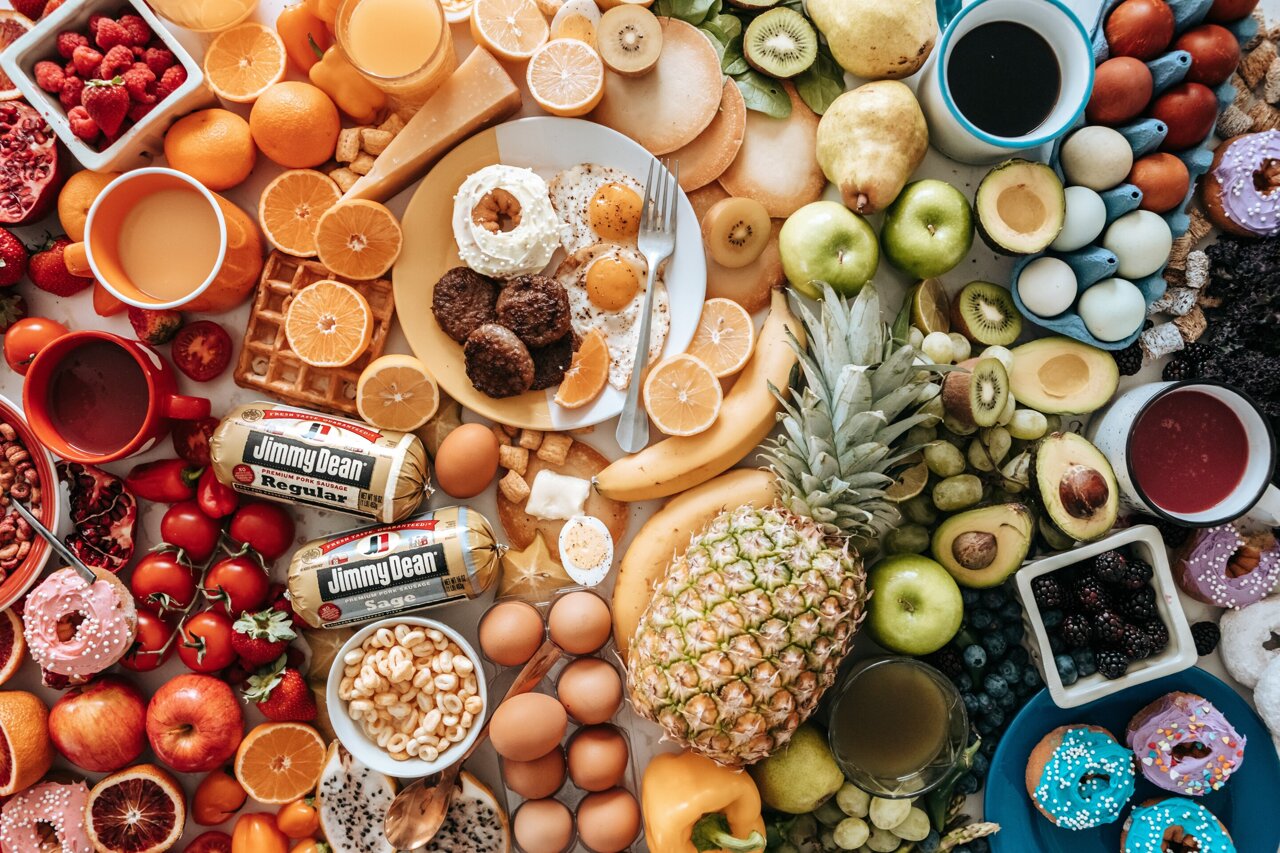
Participants described encountering a wide variety of food-related TikTok content—including recipes, viral food trends, restaurant reviews, influencer promotions, "What I eat in a day" videos and advertisements—that often made them want to eat, try or obtain featured foods. Visually appealing food presentation, comments from other users and recommendations from influencers could increase their interest in trying featured foods. Adolescents were sometimes skeptical of sponsored promotions, but familiar or seemingly credible influencers could still be persuasive.
"Adolescents described TikTok as a highly engaging environment where food content can quickly capture their attention and cue a desire to eat or try something new," says Adrianna N. Bell, Ph.D., RN, PHN, senior research consultant, Delta Consulting Group. "While participants generally viewed their parents as uninvolved in their day-to-day TikTok use, they also described times when parents played an important role by interrupting exposure to food-related content and encouraging critical conversations about that content."
Although most participants perceived their parents as having little direct involvement in their day-to-day TikTok use, they described spending less time on the platform when parents encouraged family meals, shared activities or other face-to-face interactions. Parents could also provide a protective perspective by questioning the credibility of diet- and body-related claims and reminding adolescents that an influencer's body, lifestyle and results may not be realistic or applicable to everyone. The researchers suggest these findings could inform future nutrition education and media literacy efforts that include both adolescents and parents.
The authors note that additional research is needed to measure how exposure to food-related TikTok content influences adolescents' actual dietary intake and how parents can best support healthy social media use and eating behaviors.
More information: Adrianna N. Bell et al, "I wanna try it so bad": How TikTok Influences Adolescent Eating and the Role of Parents, Journal of Nutrition Education and Behavior (2026). DOI: 10.1016/j.jneb.2026.05.006










Post comments