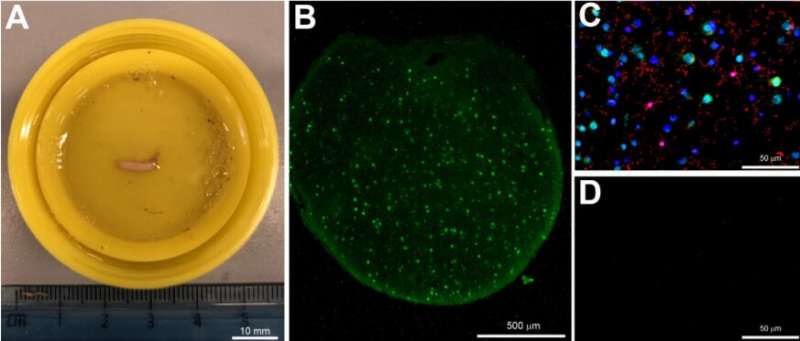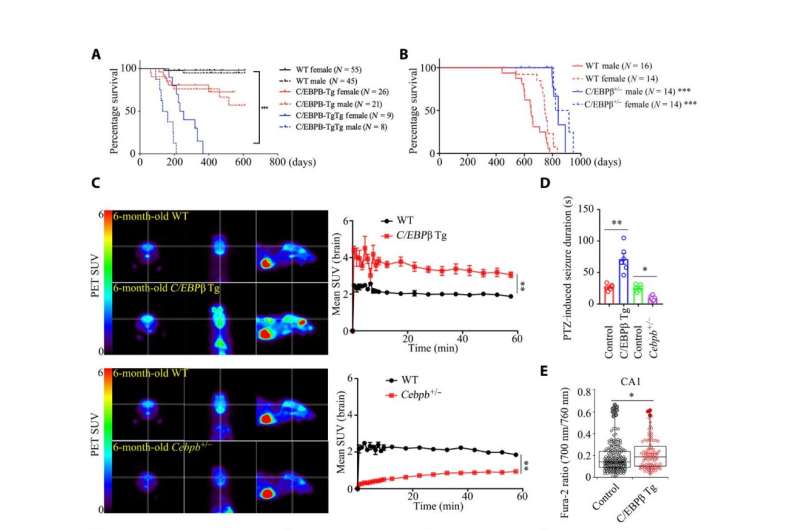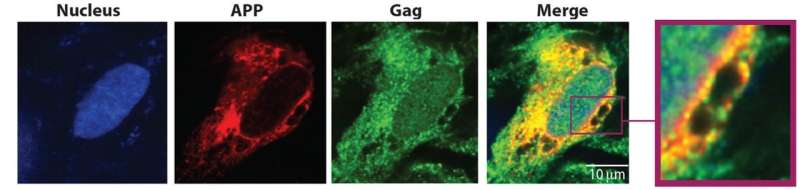































by University of California, San FranciscoCredit: Pixabay/CC0 Public DomainThe development of anti-amyloid monoclonal antibodies that may slow the progression of Alzheimer's disease by breaki
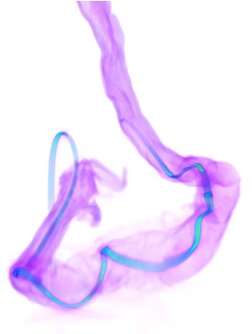
by Melissa Rohman,Northwestern UniversityCredit:Neuron(2024). DOI: 10.1016/j.neuron.2024.05.003A pair of recent studies led by Joseph Mazzulli, Ph.D., associate professor in The Ken
bySainsbury Wellcome CentreCartoon of a rat playing a game involving risk. Credit: The image was created with the assistance of AI (DALL·E 3)Neuroscientists have uncovered a key brain area in ra
by Dennis ThompsonThere are so many New Year's resolutions from which to choose, but an important one could be to schedule a memory screening, experts say.Memory screenings consist of a series of
by University of TsukubaCredit: Marta Wave from PexelsBalance is important to maintain in many aspects of life, but the most important may be your body's sense of balance—also known as vestib
by Rachel Gordon, MIT Computer Science & Artificial Intelligence LabExperimental validation of adDEGs. a. Chromogenic RNAscope for ABCC9 and SLC6A1. Prefrontal cortex brain sections (n = 4 for AD
by University of Texas at DallasCredit: copyright American Heart AssociationA new study from the Center for Vital Longevity at The University of Texas at Dallas has found that the amount of amylo
by Massachusetts General HospitalCredit: Pixabay/CC0 Public DomainResearchers have identified various genes whose expression in the brain before birth may affect the risk of developing a range of
byNationwide Children's HospitalBrain mosaic copy number gain of chr1q.a, Six patients included in the study met the following criteria: infantile spasms progressing to intractable foc
by University of East AngliaCredit: CC0 Public DomainResearchers at the University of East Anglia (UEA) are launching a new study to see whether eating a Mediterranean-style diet and being more a
by Texas Children's HospitalThe top 98 EAML genes are connected to GWAS genes, dysregulated in AD patients, and capable of separating AD and healthy control samples. Credit:Nature Commu