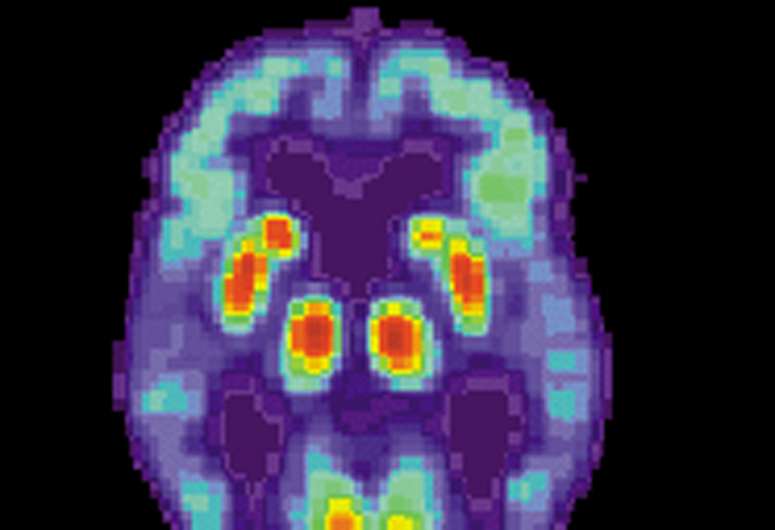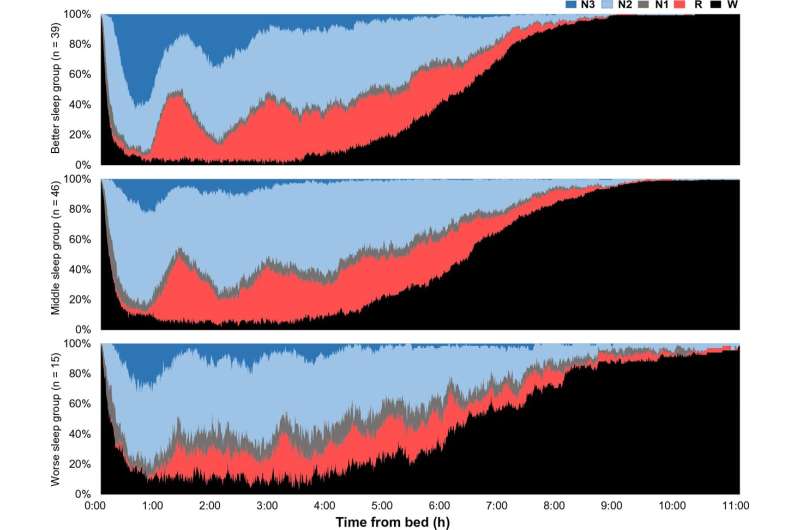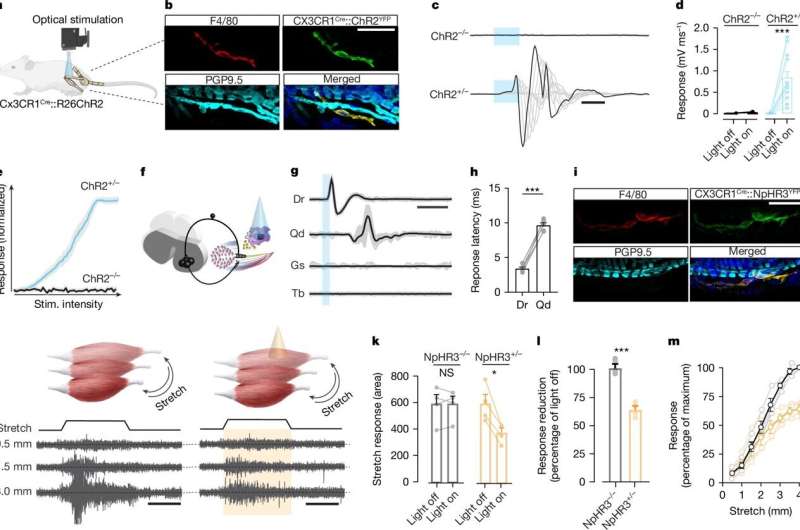






























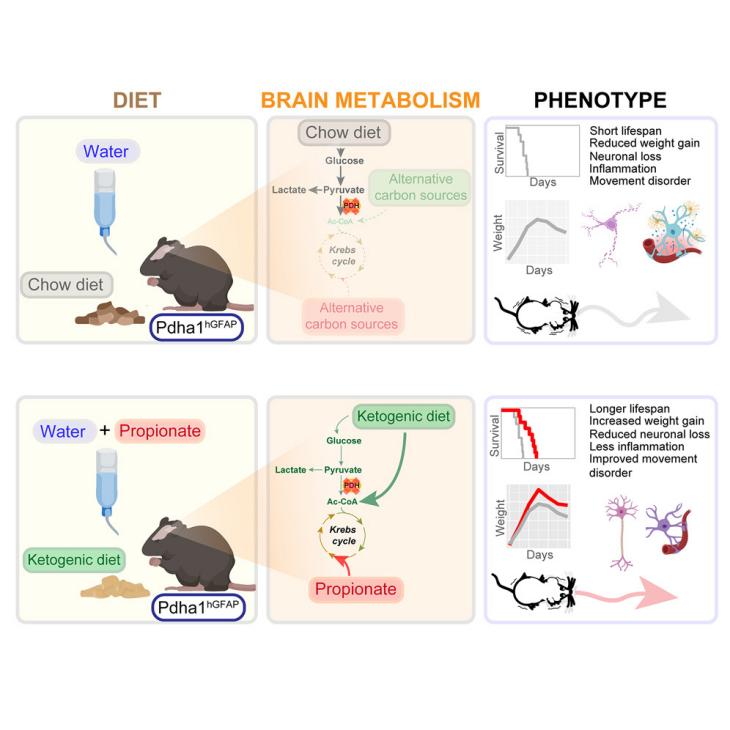
by American Heart AssociationCredit: CC0 Public DomainAdults diagnosed with coronary heart disease, especially before the age of 45, may be at increased risk of developing dementia, Alzheimer'
by University of TsukubaCredit: AI-generated imageThe two most common neurodegenerative dementias are Alzheimer's disease (AD) and dementia with Lewy bodies (DLB). There is often an overlap o
by Mayo ClinicCredit: Mayo ClinicCan estrogen preserve brain function and decrease the risk of Alzheimer's disease when given early in menopause? Newly postmenopausal women who received estro
by University of the Basque CountryThis image shows intracellular localization of ANKRD55 in Jurkat, SH-SY5Y and PMA-treated U937 cells. Credit: Koen VandenbroeckMultiple Sclerosis (MS) is a neur
by Paris Brain InstituteRepresentation of the cerebral development in C. elegans as a statio-temporal topographical map. Credit: Vito Dichio, Fabrizio De Vico Fallani.From the very first weeks of
by UT Southwestern Medical CenterUT Southwestern researchers have developed a DNA vaccine that helps the body protect against toxic proteins associated with Alzheimer's disease. These images
by Indiana University School of MedicineGraphical Abstract. Credit:Immunity(2023). DOI: 10.1016/j.immuni.2023.08.008A study led by experts from Indiana University School of Medicine h
by Rockefeller UniversityA false-color SEM image of a fibrin blood clot before and after the buildup of amyloid-beta proteins called protofibrils. Credit: Pradeep Singh, PhD; Images collected at
by Irina Epstein,Max Planck SocietyCredit: Pixabay/CC0 Public DomainDuring development, lack of sensory experience elicits powerful plasticity mechanisms that alter brain circuitry. Many inhibit
by Baylor College of MedicineCredit: Pixabay/CC0 Public DomainLearning a new task, mastering a musical instrument or being able to adapt to the constantly changing environment are all possible th
by Ryan O'byrne,University of AlbertaU of A neurologist Jack Jhamandas led a team that found a new treatment significantly improved memory in mice with Alzheimer's disease. The researche