





























JANUARY 11, 2024by Vittoria D'Alessio,Horizon: The EU Research & Innovation MagazineCredit: Pixabay/CC0 Public DomainThe human body's longest cranial nerve has the potential to impro
by Ingrid Fadelli , Medical XpressBehavioral results and global connectivity among HCs, ORES, and N-ORES. (A) The proportion of olfactory response among MCS and VS/UWS patients. A relationship was obs
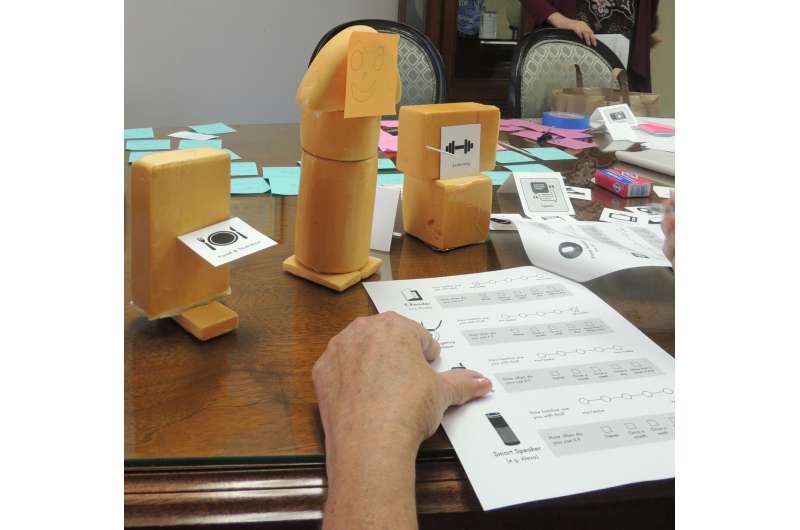
by Arnaud Francioni, Melissa Park, Patricia Belchior, Thomas Valente,The ConversationCredit: Pixabay/CC0 Public DomainPeople living withAlzheimer's diseaseand other related disor
by University of the Basque CountryThis image shows intracellular localization of ANKRD55 in Jurkat, SH-SY5Y and PMA-treated U937 cells. Credit: Koen VandenbroeckMultiple Sclerosis (MS) is a neur
by UT Southwestern Medical CenterUT Southwestern researchers have developed a DNA vaccine that helps the body protect against toxic proteins associated with Alzheimer's disease. These images
by Lund UniversityCredit: Unsplash/CC0 Public DomainAlzheimer's disease is characterized by the abnormal accumulation and spread of the tau protein in the brain. An international study can no
by Dennis ThompsonAs their aging brains shrink, older dogs can suffer the same memory and thinking problems as many older humans do.But dogs are just like humans in another way—playtime and social act
by National Research University Higher School of EconomicsInterictal spike. a) Typical waveform. b) An example of color-coded activity distribution over sensors at time t=0, corresponding to the peak.
by Cornell UniversityCredit: CC0 Public DomainAcross the globe, approximately 50 million people are living with dementia. The two most common forms are Alzheimer's disease and frontotemporal
by University of BristolGDS trajectory analysis in NACC (A). Individuals with persistent depressive symptoms during follow-up (group 5) appeared to have more apathy (C), anxiety (D), and NPI rate
by Ryan O'byrne,University of AlbertaU of A neurologist Jack Jhamandas led a team that found a new treatment significantly improved memory in mice with Alzheimer's disease. The researche