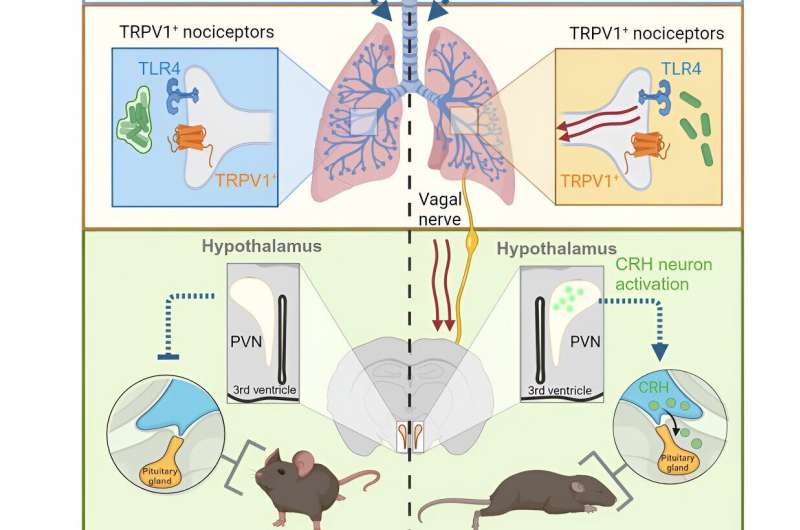































by National Institutes of HealthCombining four or five healthy lifestyle behaviors -- such as swimming -- may lower risk of Alzheimer's disease. Credit: NIH/National Institute on AgingCombini
by RAND CorporationCredit: Unsplash/CC0 Public DomainMore fragmented sleep and longer periods of wakefulness after bedtime among a group of low-income African American adults were associated with
by American Academy of NeurologyCredit: CC0 Public DomainThe drugs used to treat erectile dysfunction may also be associated with a reduced risk of Alzheimer's disease, according to a study p
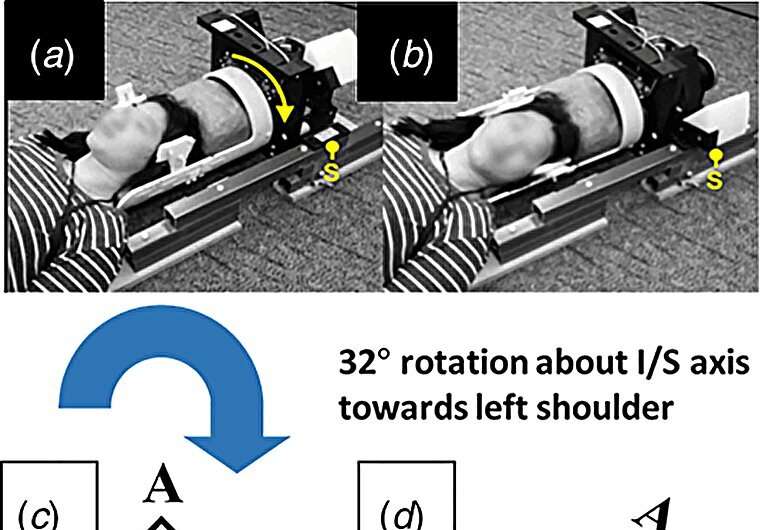
by University of the Sunshine CoastCredit: Unsplash/CC0 Public DomainMedical imaging of a person's unique brain signature—much like a fingerprint—has the potential to predict mental health problem
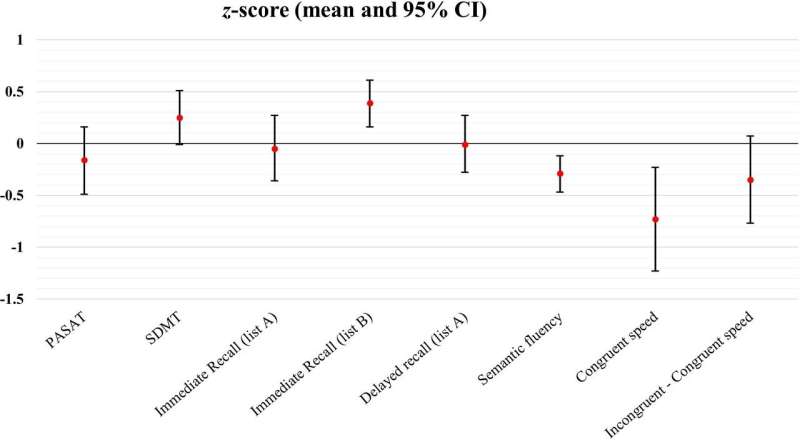
by Isabella Kjaerulff, Duke Research BlogWas it a stop sign? I didn’t notice. Credit: US Marine Corps, via Wikimedia CommonsIt's a miracle that people aren't constantly getting into car accide
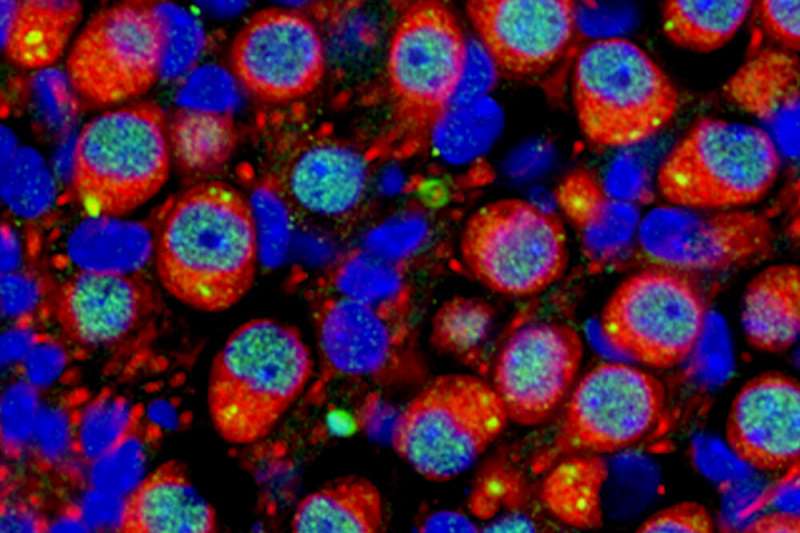
by Josef Blaszkiewicz,Medical University of South CarolinaExpression of the MEF2C protein (green) in the nuclei of neuronal cells (stained with a neuronal marker protein in red) in the inner ear
byRIKENImmunostaining of Aβ (Green) detected by N1D antibody from frontal cortices of 12-month-old AppNL-F; DAT-Cre mice infected with or without the viral vectors AAV8-hSyn-DIO-mCherry and AAV8
by Duke UniversityCredit: Duke UniversityAlzheimer's disease is the most common form of dementia, affecting nearly six million Americans. Aside from the incredible toll it takes on patients a
byMiguel Hernandez University of ElcheA Diagram explaining the experimental design of in vivo Treg depletion, Treg adoptive transfer and spinal cord demyelination. Representative images of immun
by Samantha Rey,Imperial College LondonMethods overview. Credit:npj Digital Medicine(2024). DOI: 10.1038/s41746-024-01325-zNew AI software can read the brain scans of patients who ha
by Emory UniversityA new study to assess the safety, tolerability and preliminary efficacy of allogeneic stem cells in persons with mild to moderate dementia due to Alzheimer's disease (AD) i