




























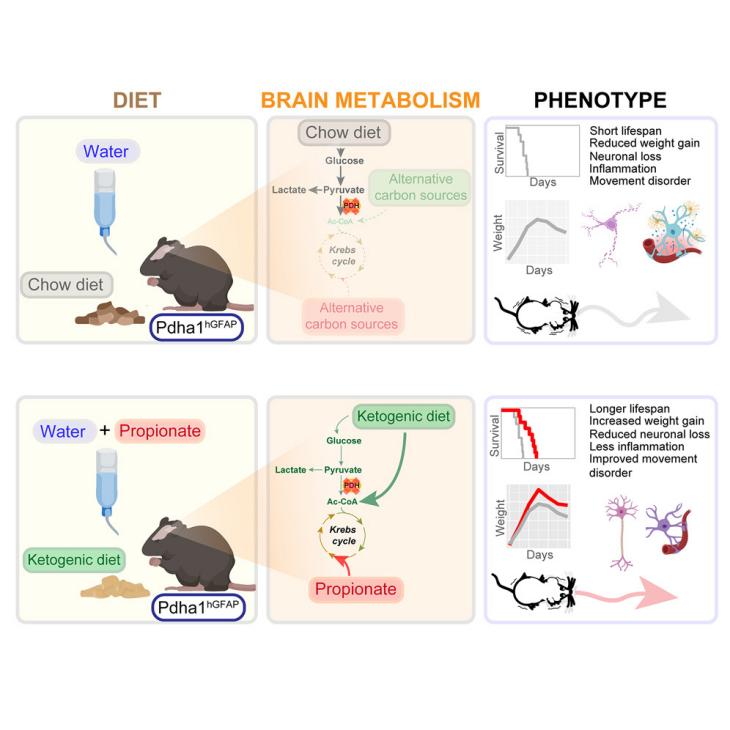
by University of Rochester Medical CenterCredit: Pixabay/CC0 Public DomainHuntington's disease—a hereditary and fatal genetic disorder—has long been considered a neuronal disease due to the p
by Adrianna MacPherson,University of AlbertaCredit: Pixabay/CC0 Public DomainResearchers are striving to make earlier diagnosis of Alzheimer's dementia possible with a machine learning (ML)
by National Institutes of HealthCredit: Unsplash/CC0 Public DomainSome viral illnesses may increase a person's chances of later developing Alzheimer's disease or another neurodegenerative
by University of GuamResearchers process dried chips from the seeds of Guam's native cycad tree in preparation of foods for experimental mammal consumption. The status of knowledge about toxi
by Dr Laura Glitsos,ParticleCredit: CC0 Public DomainWhile garlic breath might not be good for your social life, Curtin University researchers have found a certain garlic extract that may fight
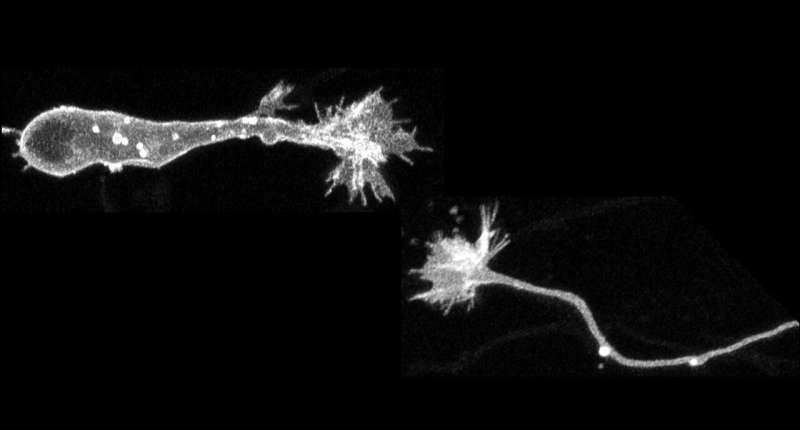
by Vanessa McMains,Johns Hopkins University(Top) The nuclear pore protein Pom121 in healthy brain cells. (Bottom) Brain cells with an ALS/dementia genetic mutation have less of the nuclear pore
by Rachel Gordon,Massachusetts Institute of TechnologyA team of MIT researchers found highly memorable images have stronger and sustained responses in ventro-occipital brain cortices, peaking at
by Manchester Metropolitan UniversityMobile and wearable technology used to support independent living for people with dementia could hold the key to cutting social isolation.Wearable technology,
byUniversity of California, Los AngelesCredit: Pixabay/CC0 Public DomainResearchers have for the first time identified degeneration-associated "molecular markers"—observable changes in
by Neuroscience Research AustraliaA new study has revealed that the functional impairments experienced by people with frontotemporal dementia (FTD) may provide insight into effective behavioural
by Diana Yates,University of Illinois at Urbana-ChampaignWhen tested in a mouse model of Alzheimer's disease, a new compound, L1, reduced neuroinflammation, amyloid plaques and other molecul