




































by Emma Beckett,The Conversation
Credit: Louis Hansel/Pexels
Got some brown bananas on the counter, or soggy salad in the fridge? If so, you're not alone.Research showson average, Australian households waste about 30% of the food we buy—or 2.5 million tons each year.
But in acost of living crisis, where everything fromfueltogroceriesis getting more expensive, wasting food feels especially painful.
These economic pressures mean more Australians are usingfood reliefservices. Many are also buyingfewer fresh foodsand are takingmore risksaround food safety.
But with a bit of knowledge and creativity, you can salvage certain foods without risking your health.
Don't risk it
It's worth noting, you won't be able to rescue every bit of food. That's because they may have become unsafe to eat.
Here are four key signs to look out for.
If you have food that has one or more of these signs, it's best tobin it. That way you can avoidfood poisoning, which can cause stomach pain, nausea, vomiting and diarrhea.
But other characteristics, such as wrinkles, browning and dryness, are often justsigns of age, not harmful spoilage.
Fruits
Brown or blackbananasmay look unappealing, but they are perfectly safe to use in banana bread, pancakes or smoothies. But it's best to keep any old bananas away from your fresh ones because darker bananas produceethylene gas, which makes other fruit ripen faster.
Old applesmay look wrinkly, because they lose water as they sit. But these apples are ideal for stewing, baking or grating.
Citrus skins, such as those from lemons or oranges, go tough and dry with age. However, you can still use the zest in baked goods and marmalade, and the flesh in drinks, dressings and marinades.
If you notice any mold on larger, firm fruits, it's generally safe tocut it off. Just make sure you chop off the moldy section with a large margin of at least a few centimeters. But if you find mold on soft or small fruit, such as berries, it's best to throw it out.
Vegetables
Floppy or shriveled veggies have lost moisture, but are not necessarily spoiled. You can roast, mash or puree them, adding them into everything from soups to curries. You can also use anice-water soakto revive leafy greens such as spinach or kale. This involves separating the leaves and soaking them in cold water for at least 30 minutes to re-hydrate them.
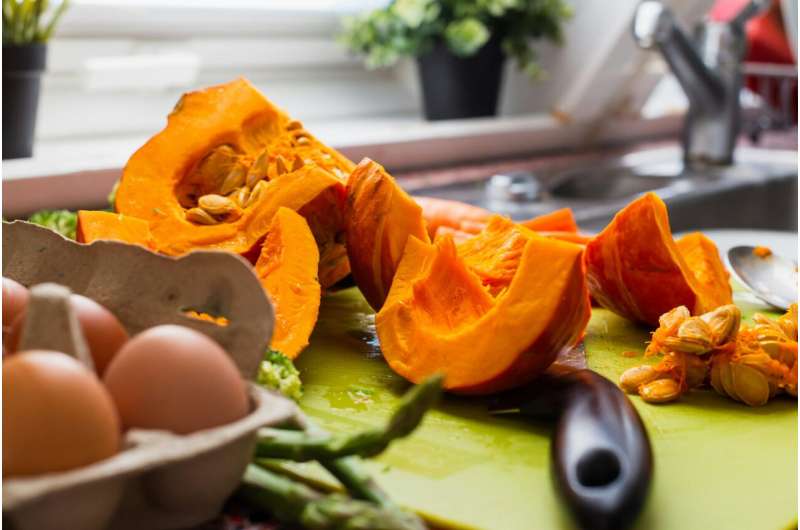
Forfirm vegetablessuch as potatoes, carrots and pumpkin, any damaged or bruised areas can often be cut off. With potatoes, however, look out for any extensive greening or sprouting, as these containnatural toxinsthat are harmful if eaten in large amounts.
You may notice a fluffy white fuzz developing on mushrooms. This usually is not mold butmycelium, which is part of the mushrooms' root system. Mold can grow on mushrooms but often appears in isolated,brightly colored clustersthat look blue, green, gray or yellow.
Grains
It's best to discard anymoldy bread. This is because mold spreads more easily inporous foods, such as bread and cakes. But you can save stale, mold-free bread by toasting or turning it into croutons or breadcrumbs. And storing bread indry environments—such as a bread box, cloth or paper bag—means mold won't grow as quickly.
You can use leftover cooked rice or pasta in stir-fries or pasta bakes within a couple of days. But make sure topromptly and properlystore it in the fridge and reheat it fully, meaning to piping hot or at least 60°C. And if heating in the microwave, make sure to stir so the food heats evenly. But, always discard any leftovers that have satat room temperaturefor two hours or more, as theymay contain bacteriathat you can't simply remove by reheating.
Dairy
We often consume milk and yogurt straight from the fridge, without a cooking or reheating step to kill bacteria. So it'ssafest to chuckdairy products that are past their use-by date. And to prevent premature spoilage, only use clean utensils to serve dairy products and promptly return them to the fridge.
If you're a fan of soft cheeses but notice any mold, throw the whole block or wheel away. This is because the roots of moldcan penetratedeep into the cheese. Hard cheeses such as parmesan aren't as susceptible to mold, so you can often cut off any moldy bits with a generous margin.Proper storage—for example wrapping it in wax or baking paper and placing it in a container—can help cheese last longer.
There are many ways to rescue food that's past its prime, but not spoiled. By following some simple food safety rules, and thinking outside the box, you can both reduce waste and save money.
This article is republished fromThe Conversationunder a Creative Commons license. Read theoriginal article.
Key medical concepts Foodborne Illness Bacteria Dairy Products










Post comments