




































byIntermountain Healthcare
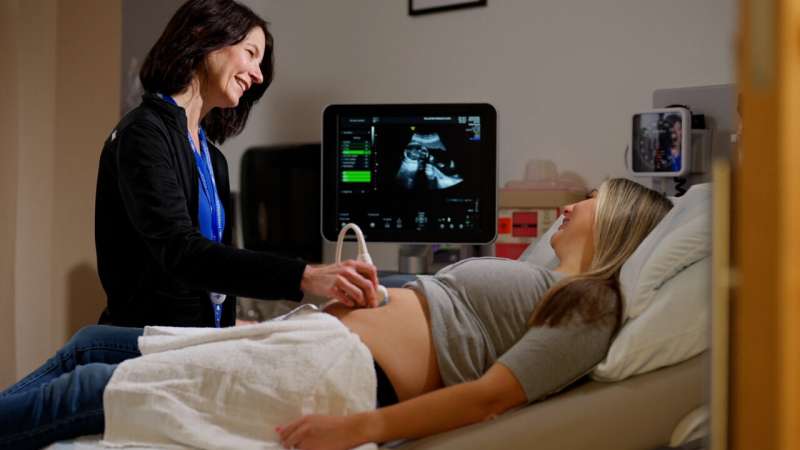
A new study from researchers at Intermountain Health reveals that hypertensive disorders of pregnancy (HDP) significantly increase the risk of cardiovascular complications — including heart attack, stroke, heart failure, and death — within five years of giving birth. Credit: Intermountain Health
A new study from researchers at Intermountain Health reveals that hypertensive disorders of pregnancy (HDP) significantly increase the risk of cardiovascular complications—including heart attack, stroke, heart failure, and death—within five years of giving birth.
The study found that women who experienced HDP during pregnancy were significantly more likely to develop serious cardiovascular-related issues compared to those without HDP. These findings underscore the growing body of evidence over the past two decades linking pregnancy-related hypertension to long-term maternal health risks.
"Any form of hypertension during pregnancy significantly increasescardiovascular riskand the risk of death," said Kismet Rasmusson, NP, principal investigator of the study and an advanced practice clinician with Intermountain Health's Advanced Heart Failure Program.
"This risk is present in women with chronic hypertension prior to pregnancy, and it's even more pronounced when compounded by severe forms of HDP, such as eclampsia."
The findings were presented at theAmerican Heart Association Scientific Sessions 2025in New Orleans on November 9.
In this retrospective study, researchers analyzed 218,141live birthsinvolving 157,606 patients across 22 Intermountain Health hospitals between 2017 and 2024. They reviewedelectronic medical recordsfor diagnoses of chronic hypertension and hypertensive disorders of pregnancy, including gestational hypertension, preeclampsia, and eclampsia. Patients were then monitored forcardiovascular diseasefor an average of five years following delivery.
Despite these alarming statistics, many pregnant women remain unaware of the long-term cardiovascular risks associated with HDP.
"We need to do a better job identifying women with these risk factors and ensuring they receive appropriate care before, during, and after pregnancy," said Rasmusson. "This is especially critical for those with severe forms of HDP."
Rasmusson emphasized the importance of cross-disciplinary care for women at risk.
"Traditionally, this has been the domain of OB-GYNs and nurse midwives, but our findings show it's an 'all hands-on deck' situation," she said. "At Intermountain, we're integratingprimary careand cardiology into the care teams for high-risk patients, creating a comprehensive clinical care model to address this growing concern."
This research highlights the urgent need for increased awareness,early intervention, and collaborative care to reduce maternal morbidity and mortality linked to hypertensive disorders of pregnancy, she said.
Provided by Intermountain Healthcare










Post comments