




































byAmerican Heart Association
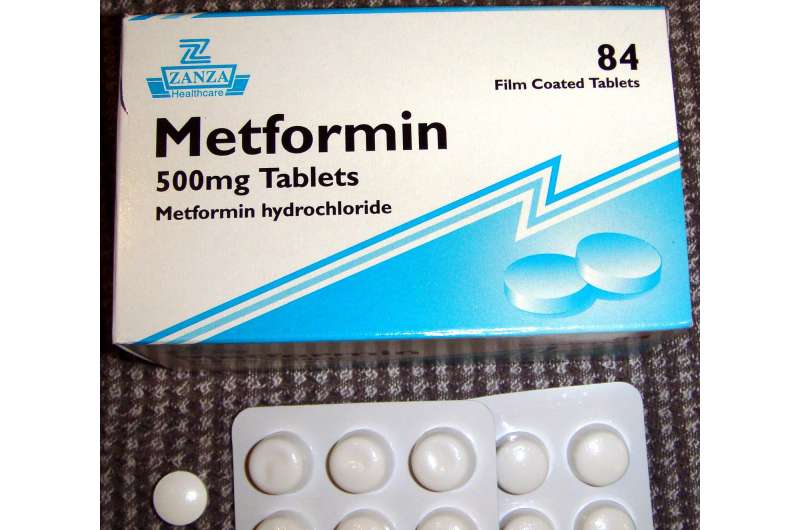
Metformin 500mg tablets. Credit: public domain
People with atrial fibrillation (AFib) and obesity may have fewer episodes of AFib after ablation if they take the diabetes medication metformin in addition to standard care, according to a preliminary, late-breaking science presentation Sunday at the American Heart Association'sScientific Sessions 2025. The meeting, held Nov. 7–10 in New Orleans, is a premier global exchange of the latest scientific advancements, research and evidence-based clinical practice updates in cardiovascular science.
"Lifestyle and risk factor modification efforts are essential to treating AFib and according to the results of our study could be aided by taking metformin," said Amish Deshmukh, M.D., lead author of the study and clinical assistant professor of medicine at the University of Michigan in Ann Arbor.
According to the American Heart Association, AFib, marked by episodes of irregular and rapid heartbeat, is the most common heart rhythm disorder and can lead toblood clots, stroke,heart failureor other heart-related conditions.
Metformin is a widely prescribed generic medication that helps controlblood sugarlevels, primarily in people with Type 2 diabetes. It is often used as an initial treatment due to its effectiveness, long history of use and relatively low cost.
In previous research on adults with diabetes and obesity, those taking metformin to manage blood sugar and weight had a lower risk of AFib as compared to other antidiabetic agents. In studies of laboratory models (for example, cells or animals), metformin directly affected heart cells and reduced irregular heart rhythms. Researchers wanted to find out if metformin could help lower the chances of AFib returning in people treated for AFib who are overweight or obese.
The Metformin as an Adjunctive Therapy to Catheter Ablation of Atrial Fibrillation (META-AF) study analyzed 99 adults with AFib and obesity or overweight to determine whether adding metformin to standard care after a catheterablationprocedure would be beneficial. All participants received ablation and then were randomly selected to receive either usual care (lifestyle education about physical activity, healthy eating, sleep and managing other medical conditions) or usual care plus metformin.
During the year after ablation, the analysis found:
"Treatment with metformin in people with obesity who do not have diabetes and are undergoing AFib ablation seems to lower the likelihood of recurrent AFib or atrial arrhythmias after a single procedure. While most people tolerated the medication well, a significant number stopped taking it due to side effects or because they felt well and did not want to add another medication to their regimen," Deshmukh said.
The results raise the question of whether other medications for diabetes andweight loss, such as GLP-1 receptor agonists, may have similar benefits and side effects in adults without diabetes with AFib and obesity.
Obesity is a common risk factor for AFib, and recurrent episodes of irregular heartbeats are more common in obese and overweight patients after catheter ablation, a procedure to eliminate small areas of tissue generating abnormal heartbeats. According to theAmerican Heart Association's 2025 Heart Disease and Stroke Statistics, AFib currently affects more than 6 million people in the U.S.
"I would suggest conducting a larger study to investigate metformin and other diabetes treatments. We know that many of these medications offer cardiovascular benefits, and we are starting to gain a better understanding of how they might specifically benefit patients with arrhythmias. A study comparing various medications would be valuable to confirm our findings and also to address questions about tolerability, the feasibility of long-term use and costs," Deshmukh said.
The study is limited by being small and conducted at one medical center. In addition, the findings may not be generalizable to centers with different populations or different techniques for performing catheter ablation.
Study details, background or design:
Provided by American Heart Association









Post comments