




































byAmerican Heart Association
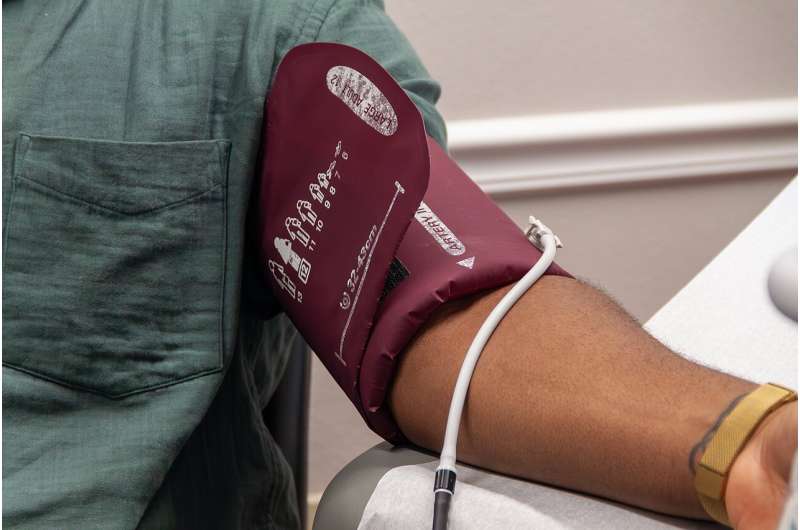
Credit: American Heart Association
Black adults living in communities with few grocery stores who participated in a grocery support program providing home-delivered groceries and dietitian guidance based on the DASH (Dietary Approaches to Stop Hypertension) eating plan had a greater reduction in blood pressure levels, compared to a similar group given a stipend to purchase groceries and plan meals on their own, according to a preliminary late-breaking science presentation Sunday at the American Heart Association'sScientific Sessions 2025. The study was simultaneouslypublishedinJAMA.
"So much of what we know about healthy eating has been conducted with food prepared in research laboratory kitchens, often using specially designed foods," said lead study author, Stephen P. Juraschek, M.D., Ph.D., FAHA, Beth Israel Deaconess Medical Center, an associate professor of medicine at Harvard Medical School and an associate professor of nutrition at Harvard T.H. Chan School of Public Health, all in Boston.
"This study is significant because it is focused on helping people eat healthier, more nutritious foods they can purchase in a regular grocery store. Our results confirm that with the right resources and support, people can make healthy food choices, which ultimately improves their cardiovascular and metabolic health."
This study used the principles outlined in the low-sodium DASH eating plan, which focuses on eating more vegetables, fruits, whole grains, low-fat dairy products, beans, nuts, and legumes, and limits fatty meats, salt, sweets, added sugars and sugary beverages. The participants who all lived in "food deserts" were randomly assigned to one of two groups: 1) to receive either 12 weeks of home-delivered, DASH-patterned groceries, tailored to their individual caloric needs, and accompanied by weekly counseling with a dietitian; or 2) three $500 stipends every 4 weeks for 12 weeks for self-directed grocery shopping with no dietary counseling.
The researchers measured participants' systolic blood pressure (the upper number on blood pressure measurements) when they first enrolled in the study and again after the 12-week program ended. The study participants had an average systolic blood pressure of 130 mm Hg at the beginning of the study. (Normal systolic blood pressure is less than 120 mm Hg according to the American Heart Association's2025 High Blood Pressure Guideline.) While either a higher systolic or diastolic (lower number) blood pressure reading may be used to diagnosehigh blood pressure, the systolic blood pressure measure is a better indicator of cardiovascular disease risk for adults older than age 50.
The study's key findings include:
Study participants were monitored for an additional three months after the 12-week program ended and participants stopped receiving the grocery deliveries or monthly stipend. At the six-month mark, researchers found that participants' blood pressure and LDL cholesterol levels had returned to the measures taken at the start of the study.
"We thought that some of the benefits of the nutrition changes would be maintained after the groceries were discontinued; however, the study did not address other important barriers, such as the cost of nutritious foods or access togrocery stores," said Juraschek. "Without addressing these social barriers, it may have been challenging for participants to continue eating healthier foods even after receiving counseling about the impact of diet on high blood pressure and cholesterol."
"Nutrition is a critical component of preventing cardiovascular disease. Everyone should be able to access healthy foods, and public health programs and policies are needed to promote and supporthealthy eatinghabits in the United States," Juraschek said.
According to the American Heart Association's2025 Food Is Medicine Scientific Statement, programs that incorporate healthy food into health care for people with or at high risk for chronic health conditions show great potential in improving diet quality, food security and health outcomes. The statement also underscores the need for additional research, such as that funded by the American Heart Association's food is medicine initiative,Health Care by Food, to evaluate the impact of nutritious food on cardiovascular and metabolic risk factors, as well as health outcomes.
This study had some limitations, including the short timeframe of the study period. In addition, it was conducted among people living in onegeographic area, so the results may not apply to people living in other communities. The study was also limited to people who were not taking any medication for high blood pressure.
Study details, background and design:
More information: Stephen P. Juraschek et al, DASH-Patterned Groceries and Effects on Blood Pressure, JAMA (2025). DOI: 10.1001/jama.2025.21112 Journal information: Journal of the American Medical Association
Provided by American Heart Association










Post comments