
























by Suzanne Nielsen, Myfanwy Graham,The Conversation
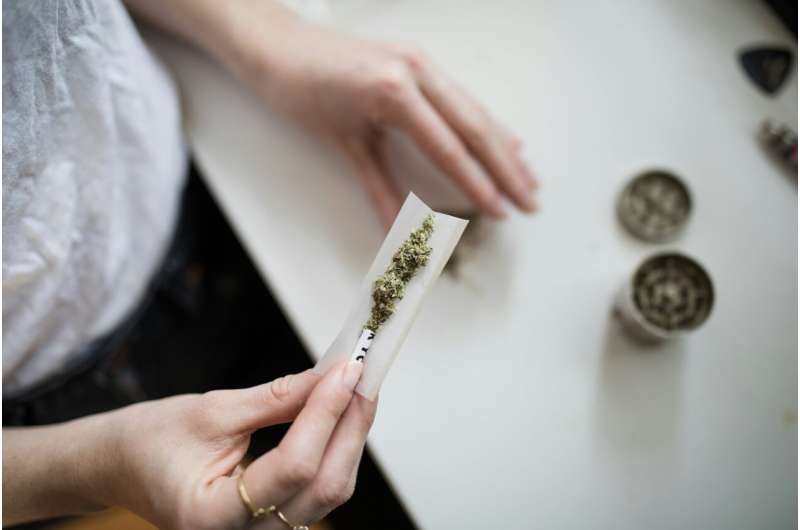
Credit: Unsplash/CC0 Public Domain
Anxiety, depression and post-traumatic stress disorder (PTSD) areamong the most commonmental health conditions for which Australians are prescribed medicinal cannabis.
Most prescriptionsfor mental health conditions, and for other conditions more broadly, are for products containing higher levels of THC (tetrahydrocannabinol). This is the part of cannabis that causes a "high" and can affect thinking and mood.
Many of these prescriptions are for inhaled products, such as dried leaf or flower that people smoke or inhale.
This pattern of use—of inhaled, higher-THC content for mental health conditions—appears to be partly driven by prescribing trends among 18- to 44-year-old men.
For anxiety alone, there arealmost three timesmore approvals for the products containing thehighest levels of THCthan for products containing only CBD (cannabidiol).
But this prescribing pattern doesn't line up with the best available research. Most higher-quality clinical trials for anxiety have tested CBD-based products, not THC.
This is just one example of how Australians are using medicinal cannabis to treat mental health conditions without the best available evidence to back it.
Let's start with anxiety
Anxiety is themost common mental health reasonpeople seek medicinal cannabis in Australia.
There isemerging evidenceCBD may help some people with anxiety, but the findings are inconsistent.
The largest and most comprehensivesystematic reviewon medicinal cannabis and mental health found it did not meaningfully improveanxiety symptoms. The authors said we still need larger, high-quality trials, and studies that reflect how people use medicinal cannabis in the real world.
Evidence for THC is even more mixed. Inour previous articlewe described how some people find THC makes them feel calmer, but others say it worsens their anxiety. As few trials have investigated THC for anxiety, it is hard to draw firm conclusions.
How about PTSD?
The evidence so far for using medicinal cannabis to treat PTSD is limited.
While some people report benefit, the findings from the small number of high-quality randomized controlled trials (the gold standard for medical evidence) are mixed.
In one verysmall study, only five people completed the entire protocol. This tested vaporized cannabis containing either a combination of 10% THC and 10% CBD, or a product with mainly 10% THC.
Both products appeared to improve PTSD symptoms in the short term, but the trial had trouble recruiting participants. A larger study would be needed to know if the results are reliable.
Another trialtestedsmoked cannabiswith three strengths: 12% THC, one mainly containing CBD, and one with equal amounts of THC and CBD. There was no change in the severity of PTSD symptoms for any of the products compared to placebo. Smoking cannabis, including medicinal cannabis, is alsonot recommendedbecause of its well known harms.
The limited and uncertain evidence is one reason the Department of Veterans' Affairs hasdecided not to fundmedicinal cannabis to treat mental health conditions, including PTSD.
What about depression?
There is even less high-quality evidence for using medicinal cannabis to treat depression. Arecent systematic reviewfound no relevant randomized controlled trials.
Asmall pilot studytested 150–300 milligrams a day of CBD alongside standard treatment for bipolar depression. CBD was well tolerated, meaning it didn't cause serious side effects, but it didn't help symptoms.
Studies for different types of depression are mixed.Someshow possible benefits but alsounfavorable effects,including worse symptoms or acute mental health effects such as psychosis, suicidal thoughts or anxiety. It is also unclear whether unfavorable effects are due to the product or underlying mental health condition.
Is medicinal cannabis safe?
Emerging evidenceshows psychosis has been reported among people using medicinal cannabis containing higher levels of THC.
Australia's medicines regulator, the Therapeutic Goods Administration (or TGA)saysproducts containing THC are generally not appropriate for people who have a personal or family history of psychosis or schizophrenia. This caution also extends to people with past or current mood or anxiety disorders.
This is largely because THC canworsen or trigger symptomsin people who are already vulnerable to these conditions.
Why the increased risk?
Is this due to the THC or were these people already at higher risk? It's likely a mix of both.
Daily or near-daily cannabis use (which is common with medicinal use)is linked toa higher risk of psychosis, or it may contribute to developing it.
Young peoplemay be particularly vulnerable to side effects after taking medicinal cannabis (and cannabis in general) for mental health conditions as their brains are still developing.
Otherresearchshows higher-strength THC products appear to carry higher mental health risks for everyone. People who use frequently, or for long periods, are at further risk.
So the emerging picture is that the product used, how it is used, and the person matter and can influence health outcomes. Higher THC products raise risks across the board, but those risks are increased in people who start young, use often, or continue long term.
What happens when I stop taking it?
Some people whose mental health symptoms increase when they stop taking medicinal cannabis see that as evidence their medicine was working. But that's not necessarily the case. They could be experiencing withdrawal from cannabis.
Many people who use cannabis (medicinal or otherwise) experience arebound in symptoms—such asanxietyorsleep difficulties—when they stop. This can feel very similar to the symptoms that prompted them to seek treatment.
We also know aroundone in three or four peoplewho use cannabis medically will develop cannabis dependence and are likely to experience withdrawal symptoms if they stop using it suddenly.
So, cannabis withdrawal may be more common than people realize, and may well explain symptoms that emerge when someone stops taking it.
How do I know what is right for me?
Many studies that look at whether medicinal cannabis could help different mental health conditions are low quality or have conflicting findings. So the evidence is not yet strong enough to recommend it as the best treatment for any mental health condition.
So talk to your trusted, regular medical professional to help you weigh up the potential benefits and risks of medicinal cannabis, especially if you have a history of mental health concerns.
Given the mixed evidence and the TGA's cautions, it's really important to seek personalized medical advice.
This article is republished fromThe Conversationunder a Creative Commons license. Read theoriginal article.
Key medical concepts Medical Marijuana Anxiety Disorders Post-Traumatic Stress Disorder Depression Dronabinol





Post comments