






























by Tom MurphyThis image provided by Biogen on Monday, June 7, 2021 shows a vial and packaging for the drug Aduhelm. The first new Alzheimer's treatment in more than 20 years was hailed as a breakt
byWaseda UniversitySomatosensory electrical stimulation settings. Anodal electrodes with a 3-cm diameter are attached to the ventral distal end of the forearm on each side, while the cathodal el
by Zhejiang UniversityDRNvGluT3∩5-HT→BAPyrand DRNvGluT3∩5-HT→BAPVpathways differentially regulate anxiety-related behaviors. Credit: Zhejiang UniversityAnxiety is a common negative emotion
by Ludwig Maximilian University of MunichCredit: Jens WagnerProfessor Armin Giese from the Center for Neuropathology and Prion Research at the LMU Munich and researchers at the Max Planck Institu
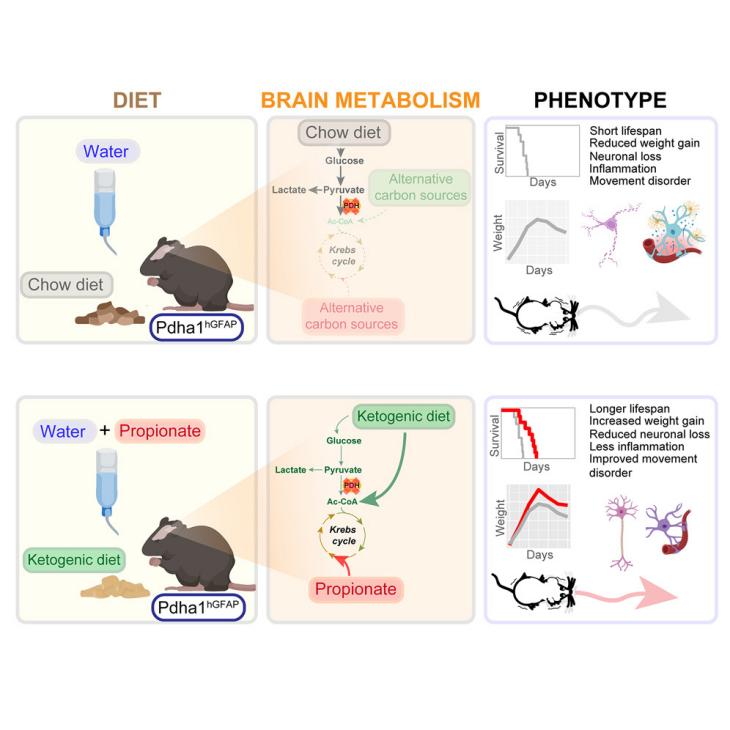
by Baylor College of MedicineCredit: Pixabay/CC0 Public DomainWhen we think about the causes of neurological disorders and how to treat them, we think about targeting the brain. But is this the b
by Oxford University PressCredit: CC0 Public DomainA new paper in theJournal of Neuropathology & Experimental Neurologyfinds a gene that may help explain a large part of the genet
by Flinders UniversityCredit: CC0 Public DomainRising levels of dementia is putting pressure on residential aged care facilities, including in rural and regional centers where nursing homes and s
by Indiana University School of MedicineGraphical Abstract. Credit:Immunity(2023). DOI: 10.1016/j.immuni.2023.08.008A study led by experts from Indiana University School of Medicine h
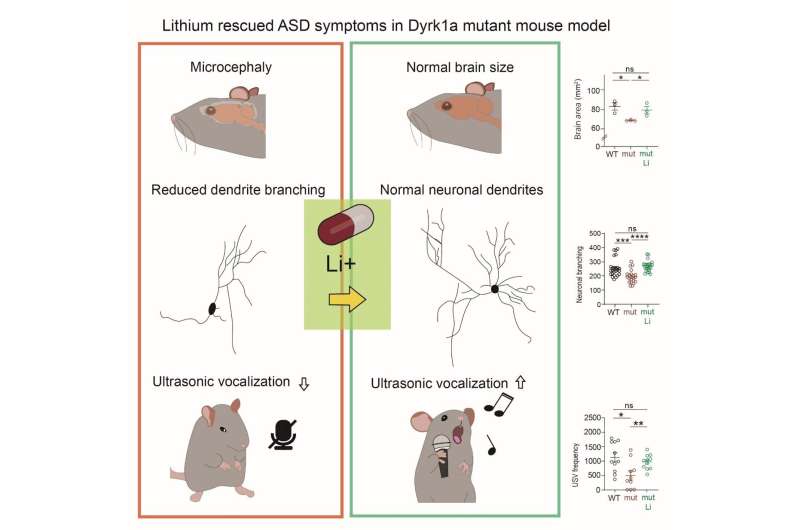
byInstitute for Basic ScienceLithium restored microcephaly, abnormal synaptic function, and communication issues in mice with Dyrk1a deficiency, a gene associated with autism and Dyrk1a syndrome
by University of GlasgowCredit: CC0 Public DomainAn international team of scientists and pharmaceutical collaborators has made a breakthrough "bench to bedside" discovery, ten years in
by McGill UniversityCredit: CC0 Public DomainFor years, physicians have been aware that patients carrying the apolipoprotein E4 (APOEε4) gene are at a greater risk of developing Alzheimer's d