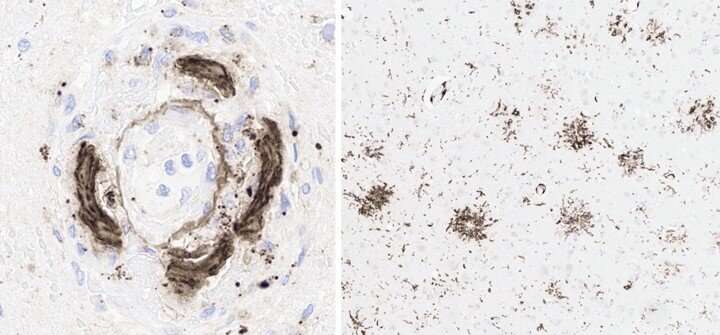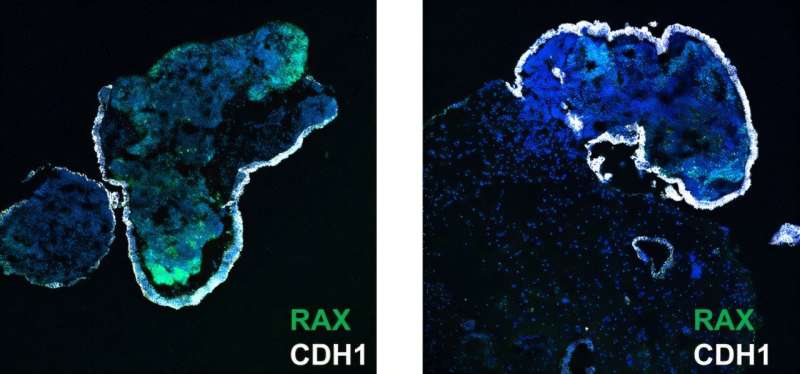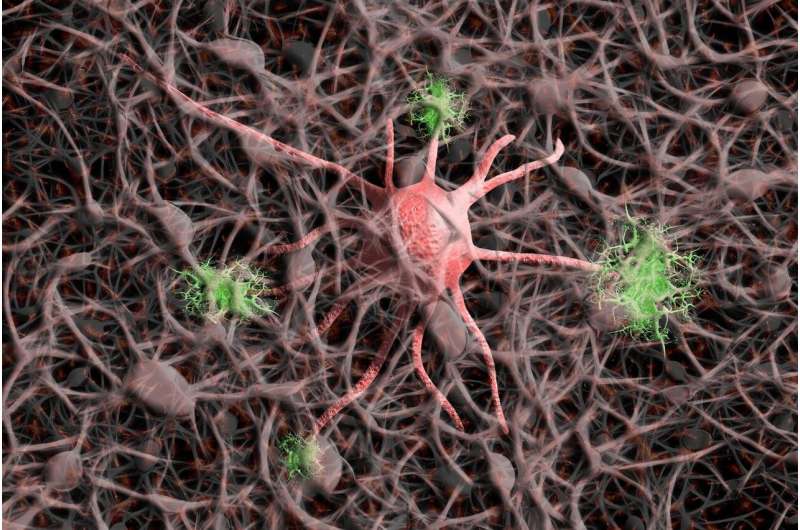





























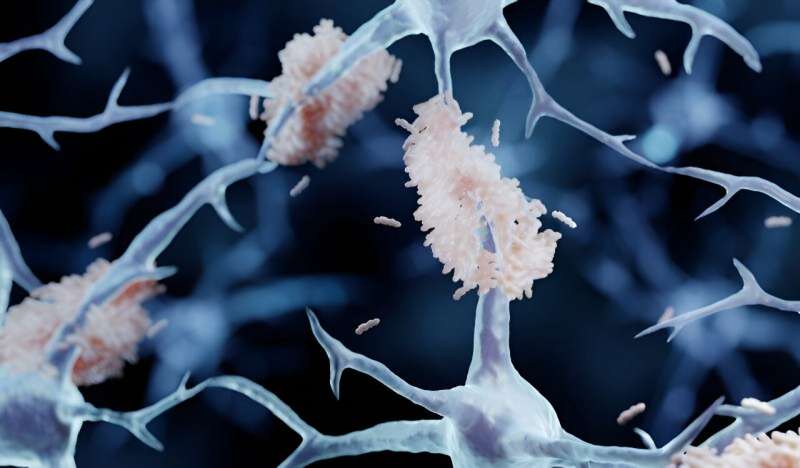
by Weill Cornell Medical CollegeThe cGAS–STING pathway is activated in the hippocampi of mice with tauopathy and in human AD brains. Credit:Nature Neuroscience(2023). DOI: 10.1038/s41
byUniversity of BaselCredit: Pixabay/CC0 Public DomainFor children, the world is full of surprises. Adults, on the other hand, are much more difficult to surprise. And there are complex processe
by Elena Garrido,Miguel Hernandez University of ElcheImage of a ferret brain showing the altered folding pattern (left) mediated by the Cux2 protein. Credit: IN-CSIC-UMH.Determining the genetic
by Lori SolomonElevated levels of high-density lipoprotein cholesterol (HDL-C) are associated with an increased risk for all-cause dementia, according to a study published online Nov. 29 inThe L
by Brain Canada FoundationCredit: Pixabay/CC0 Public DomainOver half a million Canadians are currently living with Alzheimer's disease or a related form of dementia, and with a rapidly aging popul
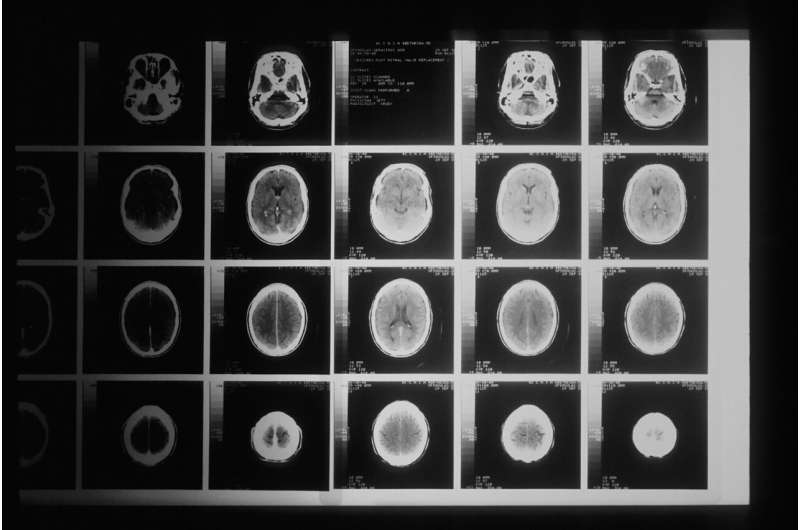
by Patrick Ercolano,Johns Hopkins UniversitySupriya Munshaw. Credit: Johns Hopkins UniversityThe U.S. Food and Drug Administration's recent approval of aducanumab, a treatment for Alzheimer&
byYale UniversityCredit: Unsplash/CC0 Public DomainWhether we're staring at our phones, the page of a book, or the person across the table, the objects of our focus never stand in isolation;
by University of SurreyCredit: Pixabay/CC0 Public DomainHospital patients sleeping near windows sleep better than those in other parts of a ward, according to a new study from the University of S
by American Association of Critical-Care Nurses (AACN)Outcomes after a stay in the intensive care unit for patients in cohorts with versus without Alzheimer disease and related dementia (ADRD). Credit
by Harvard T.H. Chan School of Public HealthCredit: Lawrencekhoo / Wikipedia.Consuming omega-3 fatty acids—particularly alpha-linolenic acid (ALA), a nutrient found in foods including flaxseeds,
(HealthDay)—Do you worry that forgetting names, or where you put your keys, might be a sign of impending dementia? If you're like most older Americans, you don't bring this up with your doctor