



































byUniversity of Connecticut
Credit: Pixabay/CC0 Public Domain
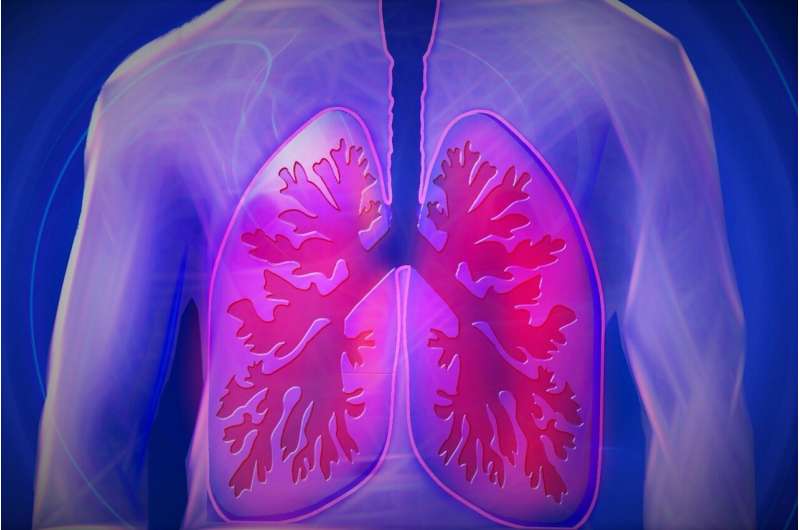
Bronchiectasis is a long-term health condition in which airways are constantly irritated or inflamed, leading to permanent airway damage and a buildup of mucus. This often causes a chronic cough and infections. People with bronchiectasis who also have chronic sinus disease (constant irritation of the spaces behind the nose and cheeks) have more symptoms and more frequent flare-ups of their bronchiectasis. The sinuses (space behind the nose and cheeks) may serve as a collecting or storage place for germs or bacteria that could move into the lungs.
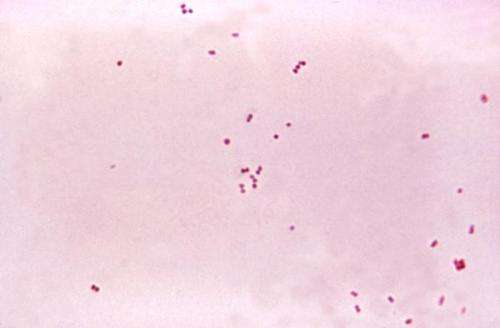
The collaborative, national research study led by UConn School of Medicine researchers set out to find out if people with bronchiectasis and sinus disease are more likely to be infected with a type of bacteria called Pseudomonas aeruginosa. These bacteria are important because they make bronchiectasis more severe.
The study team reviewed the health information from more than 1,300 people with bronchiectasis in a large United States research registry. They compared people who had a history of chronic sinus disease with those who did not.
Using statistical analyses, they found that people with bronchiectasis and sinus disease were more likely to have their sputum (mucus coughed up from the lungs) infected with Pseudomonas aeruginosa.
According to the UConn-led researchers, these results suggest thatPseudomonas aeruginosa infectionmay be one of the reasons people with bronchiectasis and chronic sinusitis have worse cases of bronchiectasis. The study findings arepublishedinChronic Obstructive Pulmonary Diseases: Journal of the COPD Foundation.
The research team stresses that doctors should keep in mind the importance of sinus disease in people with bronchiectasis.
More information Titas Grabauskas et al, Association of Chronic Rhinosinusitis and Pseudomonas aeruginosa in Sputum of Patients With Non-Cystic Fibrosis Bronchiectasis, Chronic Obstructive Pulmonary Diseases: Journal of the COPD Foundation (2026). DOI: 10.15326/jcopdf.2025.0732










Post comments